A cozier living room starts with the pieces that shape how the space works, from the sofa, ottoman, and coffee table to side tables and layered lighting. Wallpaper, paint, beams, gallery walls, rugs, pillows, plants, fireplaces, room dividers, and rattan furniture can then bring texture, personality, and practical function into the room.
Easy Decor for the Living Room
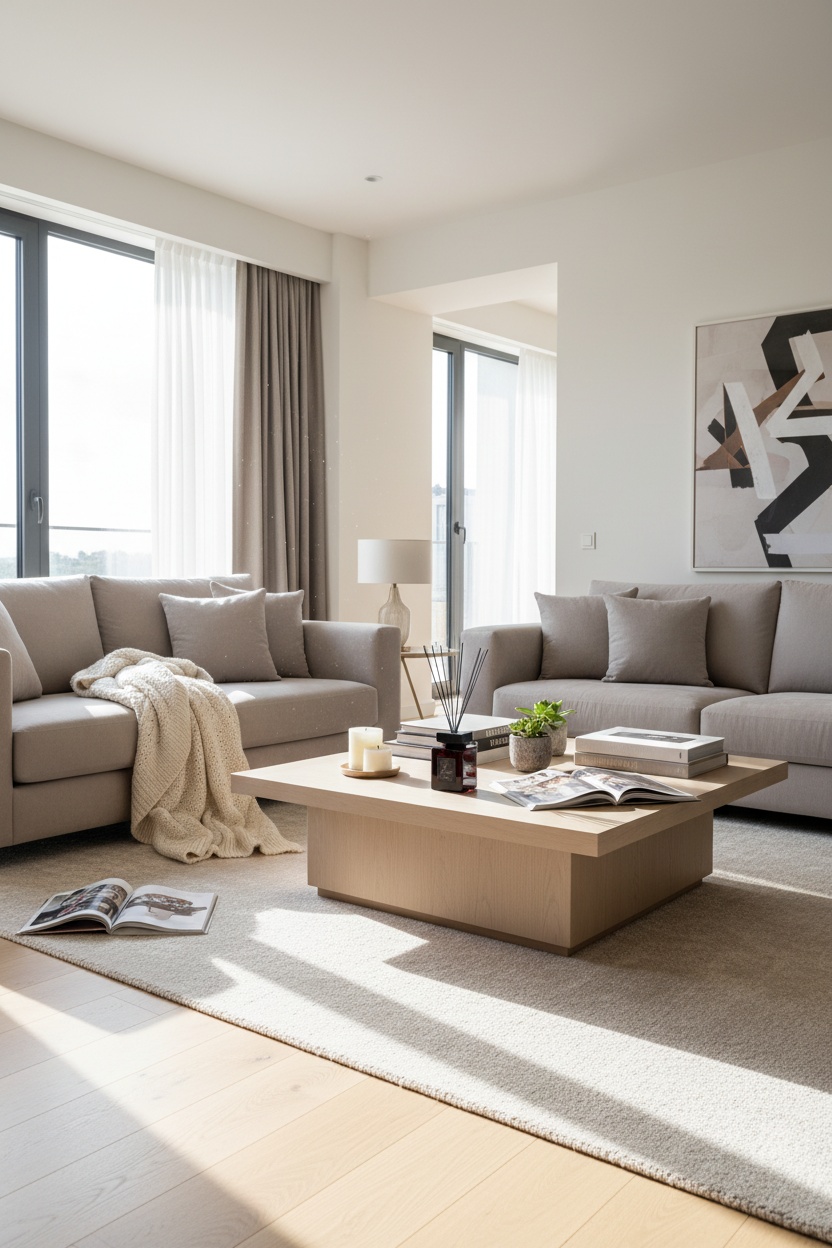
Neutral High-Function Living Room
This living room arrangement supports quiet afternoons with two sofas, a low table, a diffuser, a half-read book, and a blanket. Keeping the table low helps reduce visual noise.
Sectional Sofa Selection

Choose the largest piece of furniture first, whether that is a sofa or a sectional. It anchors the living room and gives the rest of the arrangement a starting point.
Consider the room’s shape and size before choosing the sofa. The focal point matters too, whether it is a TV, fireplace, or window view.
The right sofa choice can make a room feel more spacious and more inviting. In larger rooms, consider an L-shaped or U-shaped sofa, while a 3-seater sofa may suit smaller spaces.
Living Room Ottoman Use

An ottoman can provide extra seating, serve as a footrest or coffee table, and be useful in several parts of the living room. Choose one that suits the way you use the room.
Beside a sofa or accent chairs, an ottoman should be sized in proportion to the surrounding furniture. Matching its size to the sofa and chairs supports a balanced look. Ottomans can be round, square, or rectangular, so choose a shape that works with the other furniture and the room’s layout. Coordinate it with the furniture by matching or complementing its style through a solid color, pattern, or tufted details.

Accent Chair Seating

Accent chairs provide additional seating in the living room, while color and material choices add visual interest and change the room’s look and feel. The chair does not have to match the sofa exactly; choose a similar style or create contrast with a bolder design.
Living Room Wallpaper

Wallpaper adds personality to a living room and helps define its character, with geometric and floral patterns offering ways to express personal taste. A single feature wall can limit the risk of an overwhelming effect, while bold wallpaper adds character to the room.

Living Room Paint Colors
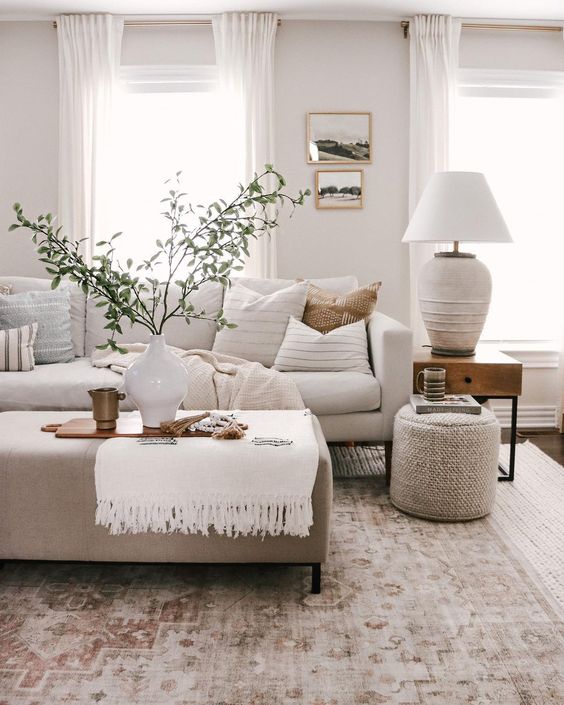
Paint color sets the direction for the living room, so choose a shade that suits the space and its existing features.
Consider the room’s natural light before choosing a color, since it affects how the shade appears. Watch the light throughout the day as you make your selection.
Navy and forest green may suit a cozy living room, while deep, rich colors can create an inviting feel. For an airy look, consider soft neutrals such as beige and light gray.
Accent Wall Ideas

An accent wall can add visual interest without requiring a change to every wall, creating a distinct feature within the living room. Choose a contrasting color for one wall to make the space feel more dynamic and vibrant, using the existing decor as a starting point for a shade that complements and enhances the current style. Other options include wallpaper and textured surfaces such as wooden panels or exposed brick.
Living Room Ceiling Beams

Ceiling beams can add architectural interest and charm to a living room. They may be made from wood, metal, or lightweight faux materials that are easy to install. Wood beams are one option for creating a cozy, rustic feel.
Beams may have a natural, stained, or painted finish, which should match the room’s color scheme. Because they draw the eye upward, beams can create the illusion of greater height and spaciousness.
Living Room Lamps

Lamps can add warmth, depth, and dimension to a living room. Table lamps suit smaller surfaces and can provide accent lighting in a reading nook, while floor lamps brighten larger areas and provide light at a different height. Choose designs that complement the room’s color scheme and overall style.
Place table lamps on side tables or console tables, and mix decorative and functional designs to enhance the room’s personality. Floor lamps can provide ambient lighting, and an adjustable arm lets you direct the light where it is most needed.
Wall Sconces

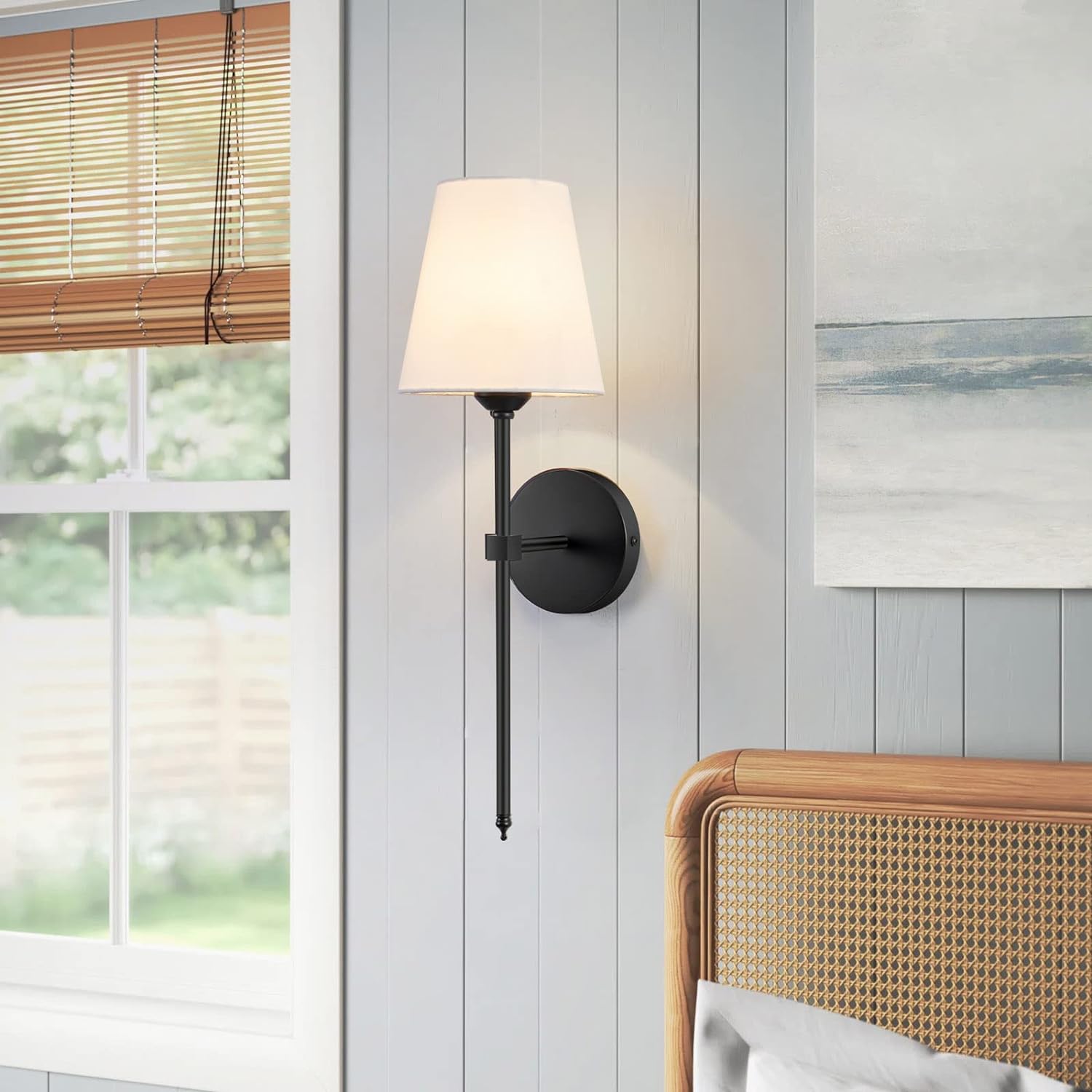
Wall sconces can replace overhead lighting or supplement it, adding light without relying solely on ceiling fixtures. They can accentuate artwork and architectural features while adding dimension to a room, so consider the room’s theme and scale when choosing them.
- Ambient sconces spread light widely to create a soft, inviting atmosphere and can be combined with other lighting solutions for a relaxing effect.
- Directed task sconces focus illumination on specific spots for reading. Place them near seating areas or along the hallway.
Statement Lighting
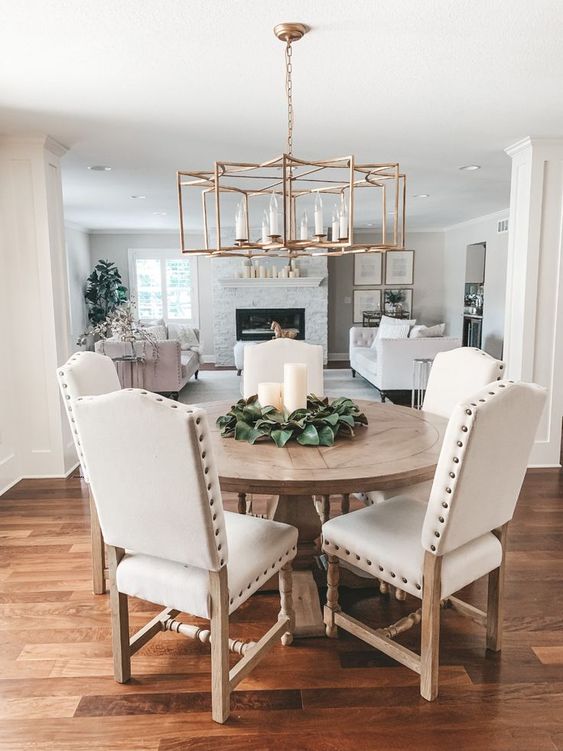
Statement lighting can transform a room and create a focal point that draws attention. It may take the form of a chandelier, pendant, or artistic fixture, providing sufficient illumination while serving as a conversation piece.
Choose and place statement lighting with the room’s ceiling height, size, style, furnishings, layout, focal points, scale, and proportion in mind. Select a modern or traditional fixture that complements the living room’s aesthetic and overall decor, then place it above the coffee table or over the seating area to create a focal point.
Coffee Tables by Shape Size Material Color and Decor

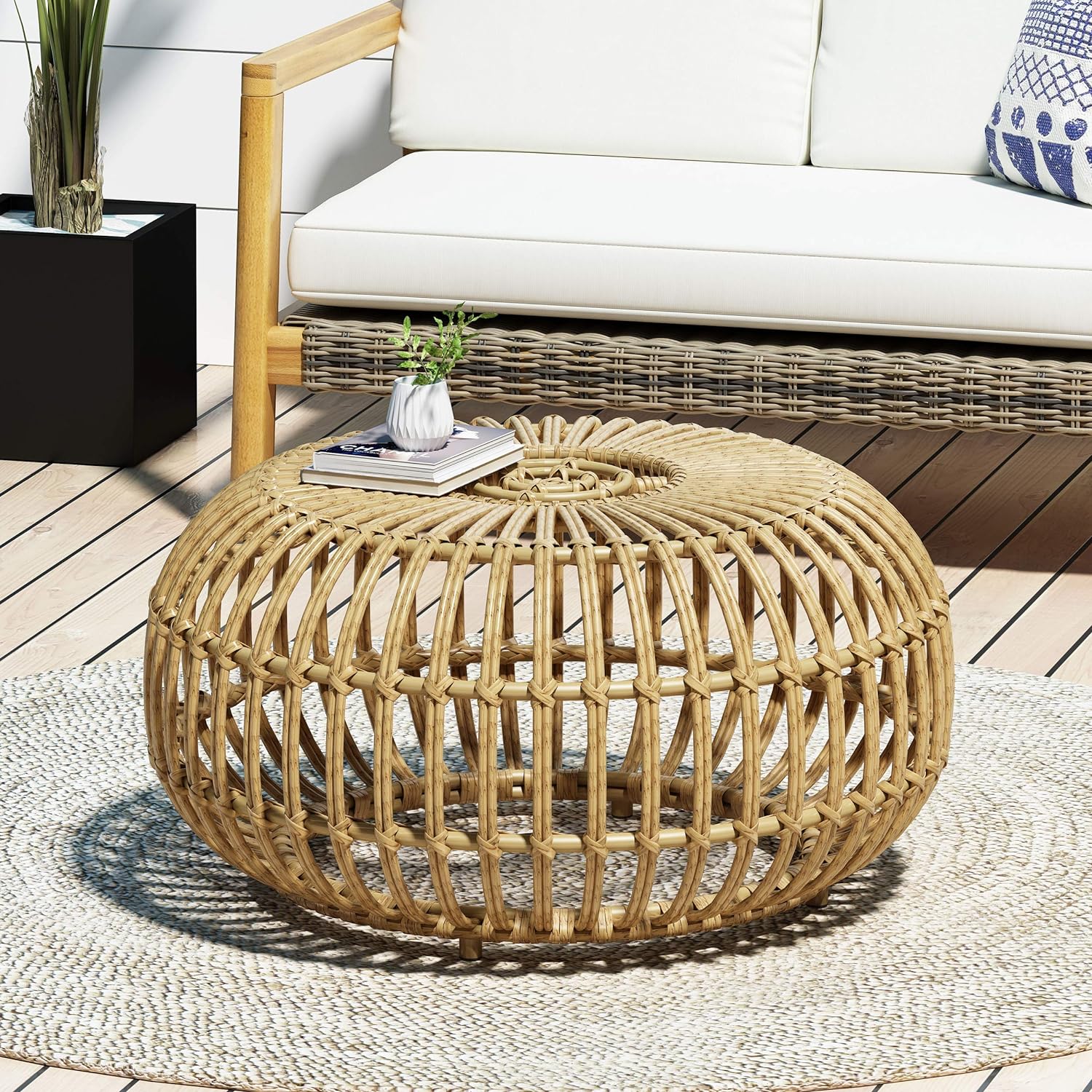
In a seating arrangement, a round coffee table can bring unity, while rectangular and square tables help create order. Consider the table’s size and shape, as well as its material and color: glass can make the room feel more spacious and modern, while wood brings warmth and a classic look. In a contemporary room, a metal coffee table can support an industrial style while keeping the look current.
Coffee table decor can include a runner, a tray for grouping decorative objects, or storage for useful items. A table runner adds warmth to the surface, while a tray can hold candles, plants, and books in one contained arrangement. Use organizers to keep smaller items together, or use woven baskets as another storage solution beneath or beside the coffee table.
Living Room Side Tables

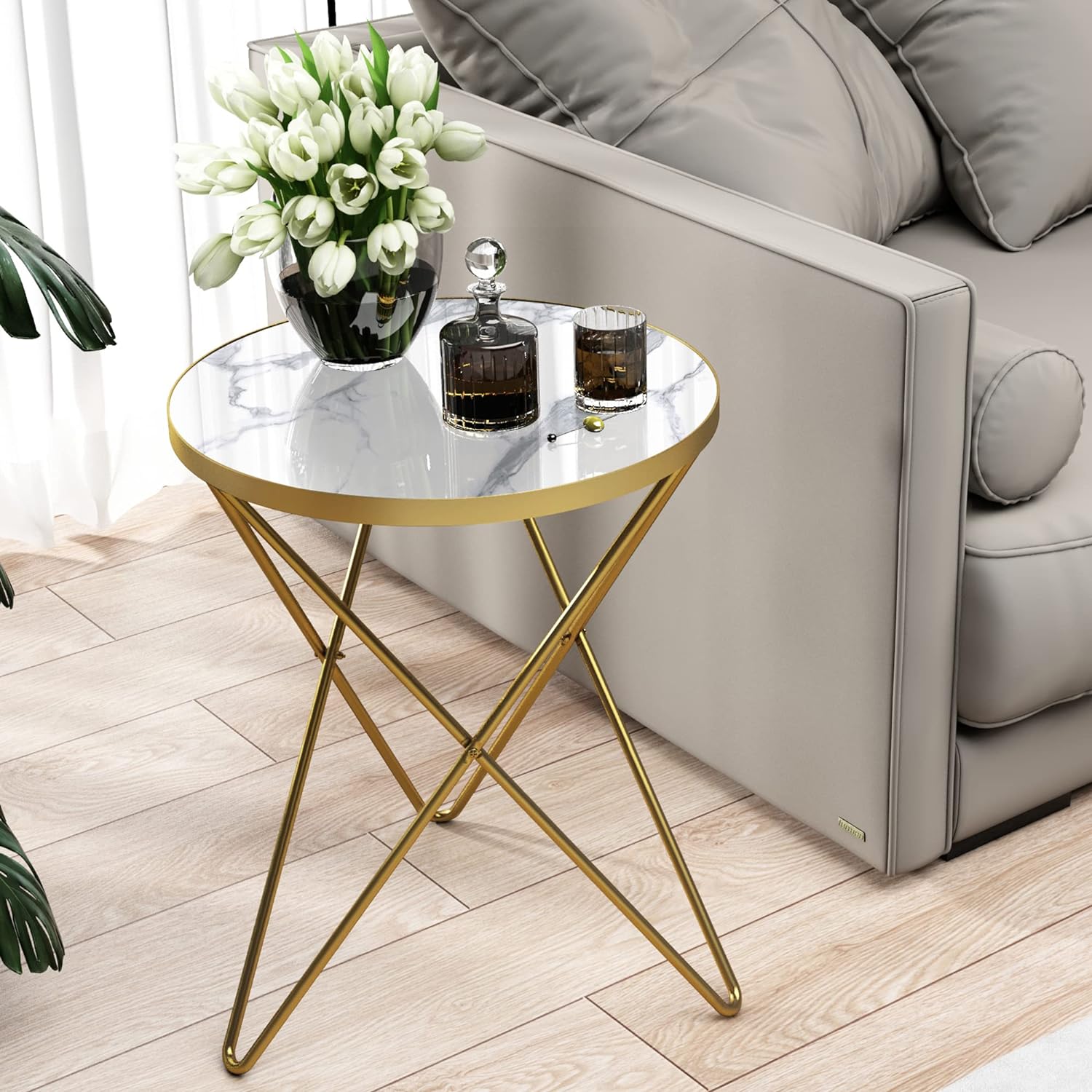
Side tables can accompany the central coffee table, giving the seating area more than one useful surface. Placed beside seating, they provide space for lamps, decorative items, drinks, and snacks. They can complement the main coffee table or create an interesting contrast in the room.
Living Room Bookcases for a Personal Collection

Personalize the living room by filling a bookcase with a personal collection. Arrange books by size, color, or genre for an efficient, visually appealing display, and combine them with picture frames, vases, and small trinkets that reflect your personal style.
Living Room Shelf Displays
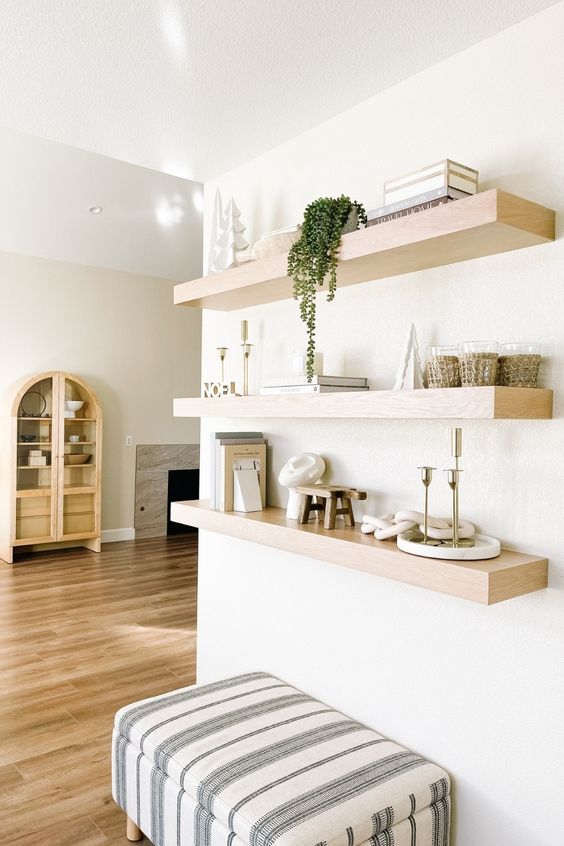
Create a shelf display by grouping selected objects together. A shelf provides storage while adding character to the room, and arranging items in odd-numbered groups—such as sets of three, five, or seven—can make the display more visually appealing.
Living Room Rugs for Texture

Choose a richly textured rug as a starting point for introducing texture to the living room.
A textured rug can transform the space and create a cozy ambiance. Place it where its texture can be felt and seen.
Jute and sisal are natural fibers that bring a distinct material quality to a rug. Wool has a soft texture, while velvet feels plush; all four materials can be used in rugs.
Living Room Upholstery with Color and Pattern

Patterned upholstery can bring interest and personality to a living room through seating and other upholstered pieces, while furniture in bold patterns or vibrant colors can create a dynamic focal point and engage the senses.
Living Room Gallery Wall

A gallery wall can transform the living room by giving it a distinct visual feature that expresses personal taste and adds color accents.
Start with the wall surface, then choose a theme and color palette that suit the wall art. Combine framed prints, paintings, and photographs into a collection, making sure the pieces complement one another.

Living Room Mirrors

A large mirror can serve as a living room focal point while adding both function and decoration. Mirrors reflect light and create the illusion of a brighter, larger space, so place them strategically to make the room appear more expansive.
Vintage mirrors bring uniqueness and personality to the decor. Experiment with different mirror shapes to find an arrangement that suits the room, whether you group smaller mirrors together or use one large mirror as the wall’s centerpiece.

Living Room Accessories

Accessories provide the finishing details that complete the living room decor. Combine new and vintage pieces with a variety of textures and materials for a well-rounded, eclectic look. These details add interest without changing the room’s main furnishings.
Cushions and throws in various colors, patterns, and textures can make the space more inviting and cozy. Plants bring greenery into the room, adding natural color and life, while sculptures and vases can create cohesion and showcase personal style.
Living Room Throw Pillows
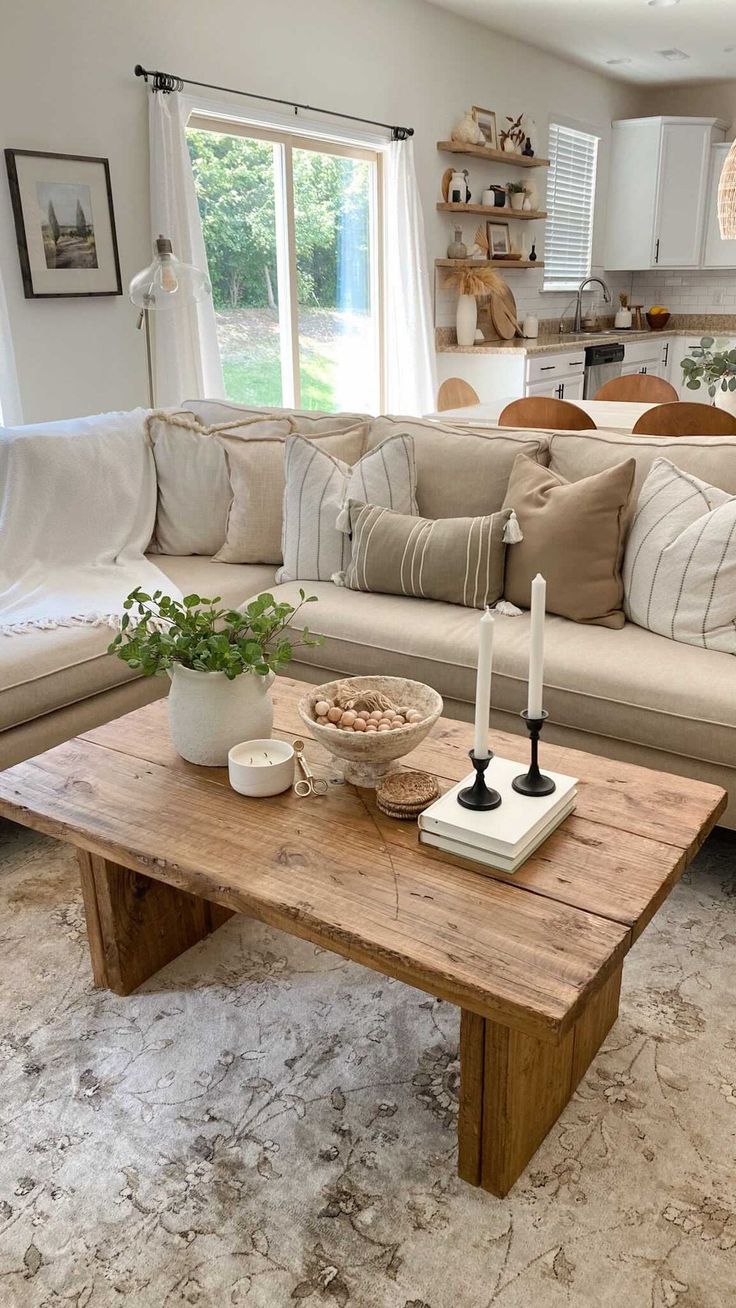
Throw pillows are a simple way to elevate a living room. Mixing textures, shapes, and designs adds depth and personality, while coordinating colors and patterns with the rest of the room helps them complement its style.
Experiment with the arrangement to find the combinations that work best. On the sofa, solid-color pillows in bold or neutral hues can add depth and harmony, while geometric patterns and subtle motifs keep the prints simple so they do not overpower the space. Use square, rectangular, and round throw pillows together to vary the shapes in the arrangement.
Living Room Plants

Incorporate greenery and other natural elements into the living room. Greenery adds a sense of nature and can support a feeling of tranquility.
Place a few large potted plants by the main door; their size makes them noticeable as soon as you enter and creates a warm, welcoming atmosphere.
Living Room Green Elements

Green elements can create a serene atmosphere in the living room. Add green accents through throw pillows, blankets, and artwork to bring in color and reinforce a nature theme, or paint an accent wall or the entire room in a soothing shade of green.
Living Room Fireplace
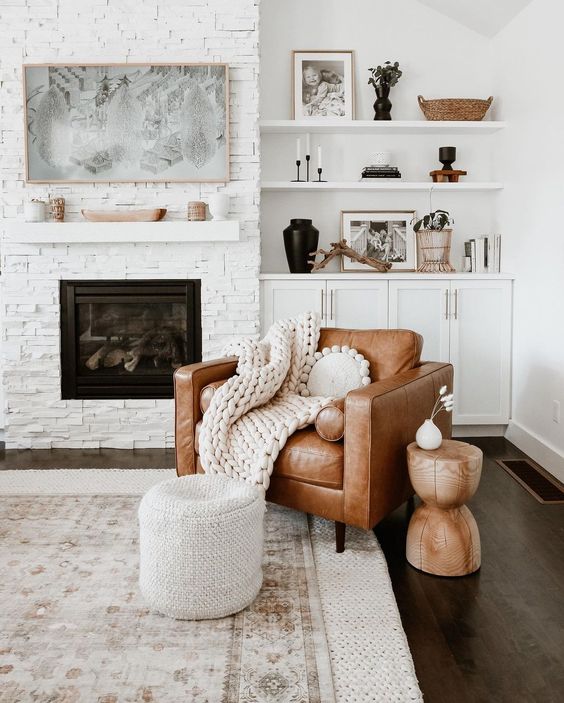
A fireplace can serve as both a functional and decorative feature in a living room, providing warmth on cold days and creating ambiance during social gatherings. If it is non-working, use the unused fireplace space as a decorative feature.
Living Room TV and TV Stand

A TV and TV stand contribute to the room’s functionality and appearance. Choose a freestanding TV stand to give the TV area a more elevated look. Freestanding TV stands can complement modern farmhouse, transitional, coastal, traditional, and mid-century modern styles.

Living Room Camouflage Ideas

Living room decor can conceal views and help divide the space. Room dividers define separate areas while adding visual interest, and decorative screens can conceal specific areas; they come in various materials and designs.
Use a shelving unit, such as a tall bookshelf or sleek storage piece, to divide the room while adding storage. Hanging curtains soften the room’s ambiance and provide privacy when drawn closed, while modern metal frames with glass panels offer another flexible option. A strategically placed console table or credenza can also separate the room, provide storage, and help define the space.
Living Room Rattan Furniture
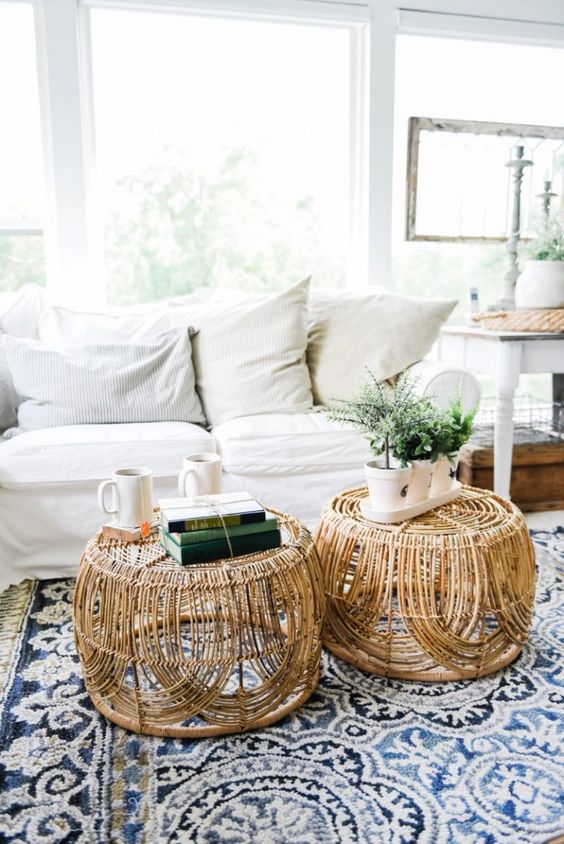
Rattan furniture adds a natural, earthy feel and warmth, helping create a cozy, comfortable living space. A rattan coffee table or a set of rattan side tables offers a simple way to incorporate the material, while a rattan armchair supports reading and socializing, especially when paired with colorful cushions and a cozy throw blanket.