

Open shelves can give your kitchen a fresh, welcoming feel while keeping favorite dishes and glasses on display. With a little thoughtful arranging, your shelves can be both useful and stylish. Considering a switch from kitchen cabinets to open shelves? Open shelving can make your kitchen feel more spacious and organized while putting your favorite dishes and glasses where they can be seen.
Styling open shelves may seem intimidating at first, but it can be genuinely enjoyable. Use the space to show off your personality with favorite mugs, colorful bowls, or even cute plants. If you want open shelves to look tidy and stylish without feeling cluttered, a few simple ideas can help.
Open Kitchen Shelves
Open Shelves for Accent Walls
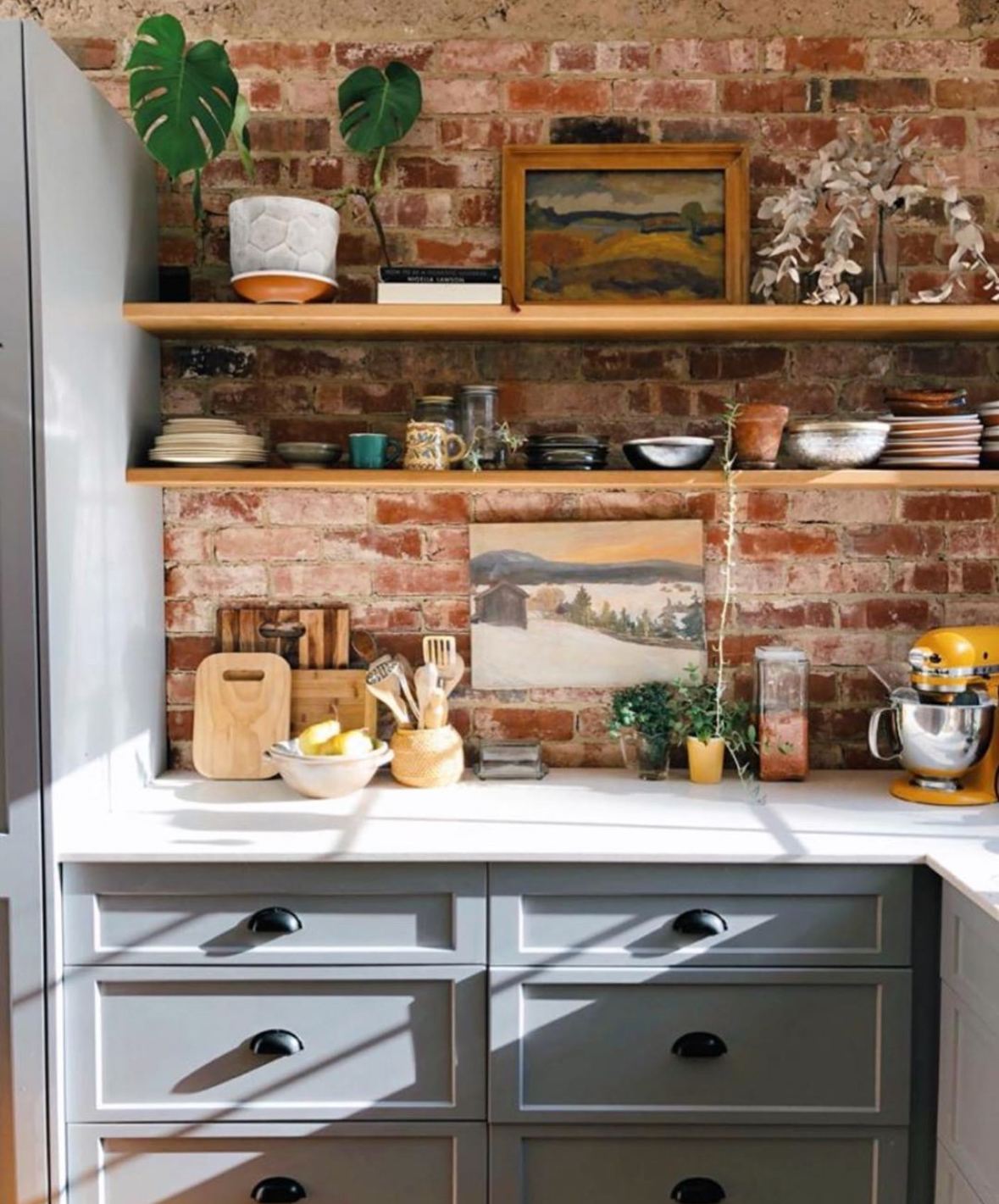
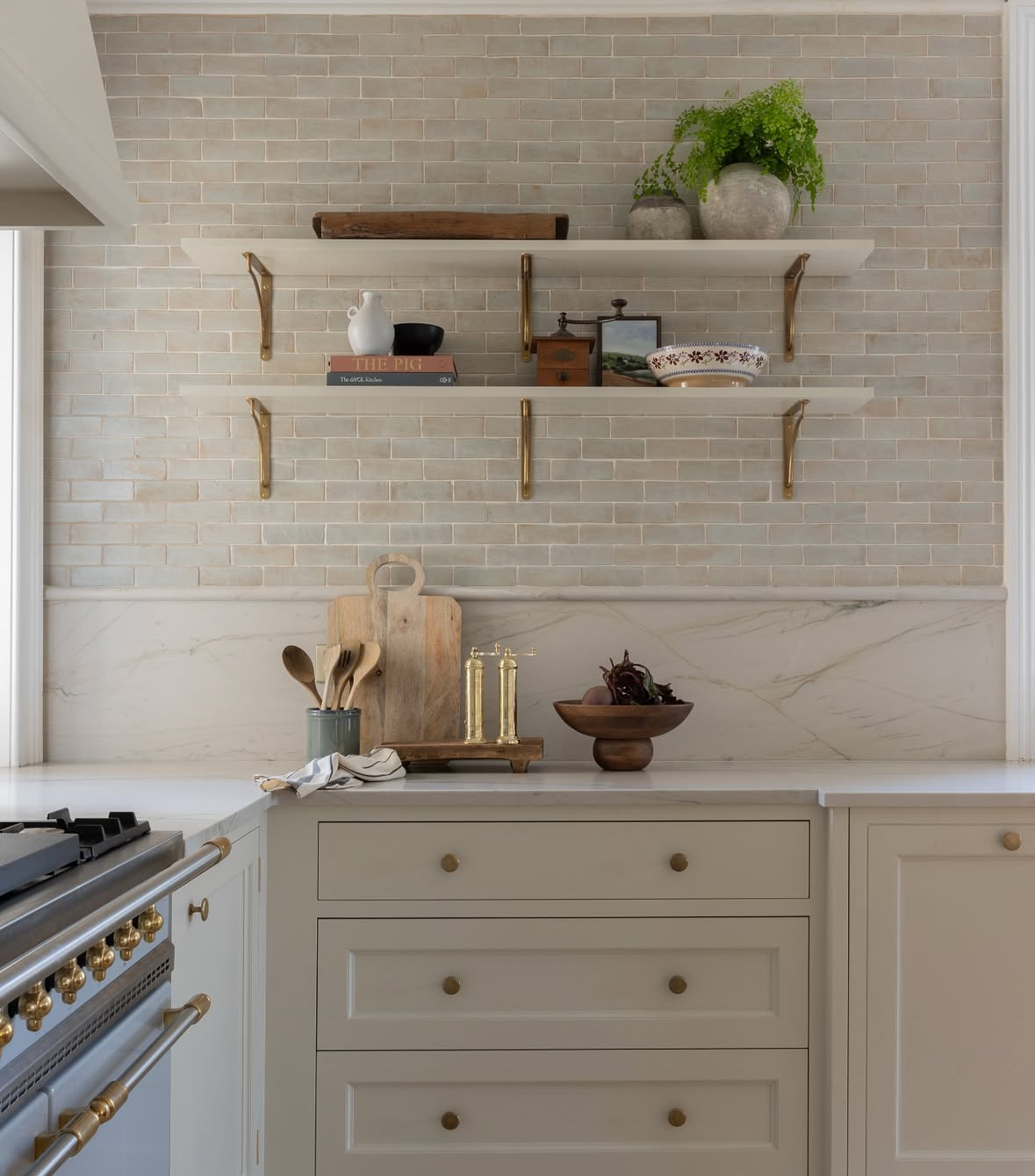
Painting or tiling the wall behind the shelves helps them stand out. A white wall makes plates and cups stand out against the background, while shiplap or beadboard creates a farmhouse atmosphere.
Deep green or navy walls work with both wood and metal shelving, and brick or stone creates an earthy atmosphere. Consider the wall texture, and choose a treatment that suits the kitchen and the items displayed on the shelves.
Plants Beside the Cookbooks

On open shelves, stack a couple of recipe books or lean cookbooks between bookends. Cookbooks can give the kitchen a lively, personal feel whether they are stacked or standing upright.
Choose cookbooks that are used often or have covers you like. They do not need to be fancy.
Along with the books, add one or two small plants for a homey feel. Herbs, succulents, and trailing pothos are all options.
Greenery can make the kitchen feel fresher and friendlier. If you want to avoid watering, fake plants are an acceptable option.
Shelf Measurement
Before you buy, use a tape measure to check the space. Measuring first can save time.
Start by measuring the wall space for the shelves, and keep the layout clear of cabinets, windows, and outlets.
Leave 12 to 15 inches of vertical shelf space so plates and glasses will fit. In a small kitchen, one long shelf above the countertop can create less crowding.
For a large kitchen, two or three stacked shelves can increase storage. If you plan to store heavy dinnerware or jars, check the weight capacity of the shelf brackets.
Mark the shelf placement with painter’s tape before making holes in the wall. This lets you preview how the shelves will look.
Shelf Styles

Shelves with visible brackets suit an industrial style, while floating shelves conceal their supports and wall-mounted shelves attach directly to the wall. In a minimal kitchen, floating shelves can look clean and almost airborne because their supports are not prominent. Thick wood shelves add character through their natural finish and give the kitchen a homey look.
For a more blended-in look, paint the shelves the same color as the kitchen wall so they match the wall instead of standing apart from it. Glass shelves can hold dishes while keeping the display open, and bold shelf brackets add a stronger detail to the arrangement. Cookbooks can also be displayed on open shelves.
Open-Shelf Plates and Bowls

Put the largest plates at the bottom and stack the rest in neat piles. This keeps the plates tidy while making them easy to access.
Keep bowl stacks low enough to prevent wobbling. Limiting the height makes the stack more stable.
Lower shelves are a practical place for frequently used plates and bowls, so they stay within easy reach.
Keeping daily dishes on lower shelves makes them easy to reach. Group bowls by color and size, then place one or two serving dishes with them.
Shelf Decor with Vintage and Modern Pieces

Combine old and new objects on the shelves to add personality. Pair a vintage jar with a modern canister, or place a retro cake stand beside simple white dishes, rather than making everything match completely.
An old metal tray adds texture and history, with new bowls placed behind it. Experiment with your favorite items until the arrangement feels satisfactory.
Basket Storage

Baskets are useful for holding small clutter that might otherwise collect on the shelves. Use them for storage, and they can help keep the shelves neat while remaining part of the display.
Baskets come in different shapes and sizes, so choose a mix that fits what you need to store. They can hold snacks, dish towels, and baking tools without all needing the same container.
Natural woven baskets support a rustic style, while baskets in varied colors provide bold color. Both types can work on open shelves.
Baskets can conceal a mess while still remaining part of an open display.
Baskets are easy to move when you need to reach what is inside. They can make open kitchen shelves appear organized without giving them an overly perfect appearance.
Wallpaper Patterns Behind Open Shelves
Wallpaper behind the shelves changes the look of the shelving area and gives it a different setting. Floral, striped, or geometric patterns can suit your personal style, while peel-and-stick wallpaper is easy to install and change. Covering only the section behind the shelves can update the space without requiring wallpaper on the entire wall.
A busy wallpaper pattern can be paired with a simple shelf to balance the visual elements. The shelves can retain their practical function while also becoming unique.
Shelf Colors and Themes
Choose a main color scheme for the shelf pieces so the display has a clear direction. Mix blue-and-green pottery with soft-wood shelves for color variation, or use a palette of white and soft wood on the shelves with blue-and-green pottery. Group items by similar colors to make the shelves appear less cluttered and more intentional.
Choose a theme for the shelf decor, such as farmhouse or modern, and use it to guide the pieces you place there. White dishes combined with glass jars can support a fresh, simple style, while bold colors and patterns suit a fun style.
Decorative Objects on Open Kitchen Shelves

Decorative objects on open kitchen shelves can add character to the room. Include small vases, mugs, and a salt-and-pepper shaker set, mixing these objects rather than limiting the display to one type. A cup can hold the wooden spoons, with the glass jars grouped nearby; arrange the objects by color and material.
Change the shelf objects when the holidays arrive or whenever personal preference changes; either occasion can determine the timing. The shelves can convey a personal kitchen story through the objects displayed on them.
Everyday-Use Placement
Place daily-use items such as plates, cups, and bowls at eye level for easy access. Store heavy items, such as mixing bowls and small appliances, on lower shelves to avoid overhead lifting, and place less-used items on higher shelves.
Group items by use so related things stay together and are easier to find. Keep favorite spices near the stove and coffee mugs beside the coffee canister. Arrange items according to how often they are used, keeping frequently used items at the front so the shelves are easier to navigate and look planned rather than random.
Personal Collections and Travel Finds
Display pottery from trips and favorite dishware among other valued items on open shelves. Keep plates and cups together in small groupings so the arrangement remains easy to use, and line up the mugs you reach for often in the morning.
Small potted plants and a couple of cookbooks fit alongside kitchen basics on open shelves. Hang a woven basket or add a framed photo near the shelves; either one creates a lived-in atmosphere. Combining daily-use items with meaningful extras gives the shelves a personal, lived-in feel.
Glassware Organization
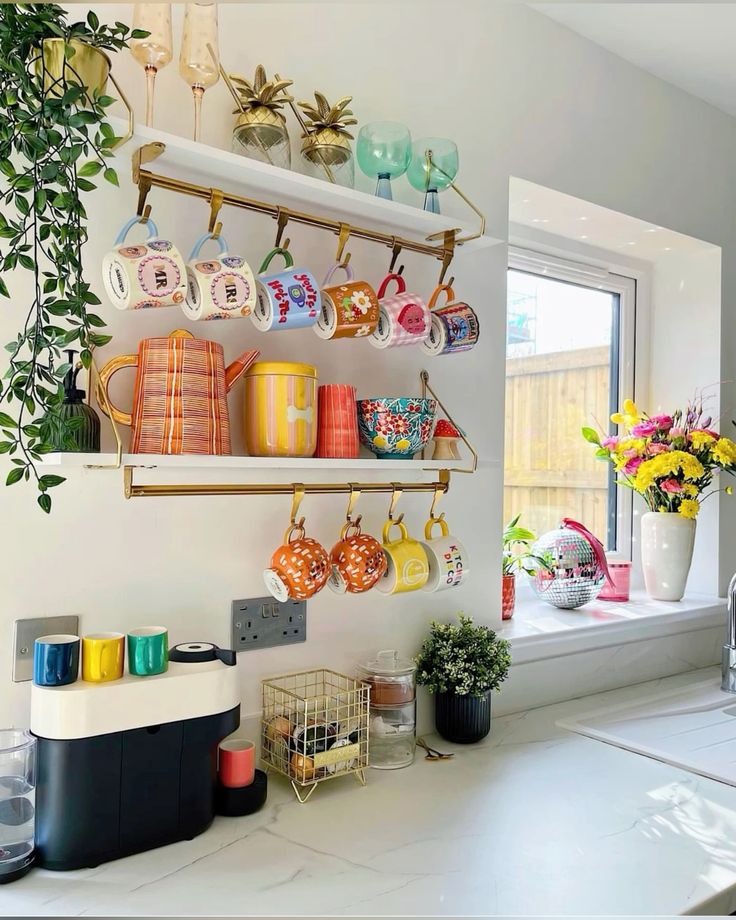
Clear glassware catches the light, making the space feel lighter, and keeping it visible on open shelves turns it into part of the display.
Keep everyday drinking glasses on the middle shelf for easy access and less cluttered surrounding storage. Place infrequently used mugs and wine glasses on higher shelves, group tall glasses together and short glasses together, and use a tray beneath the glassware to keep the shelf neat.
Pottery Mixing on Open Shelves
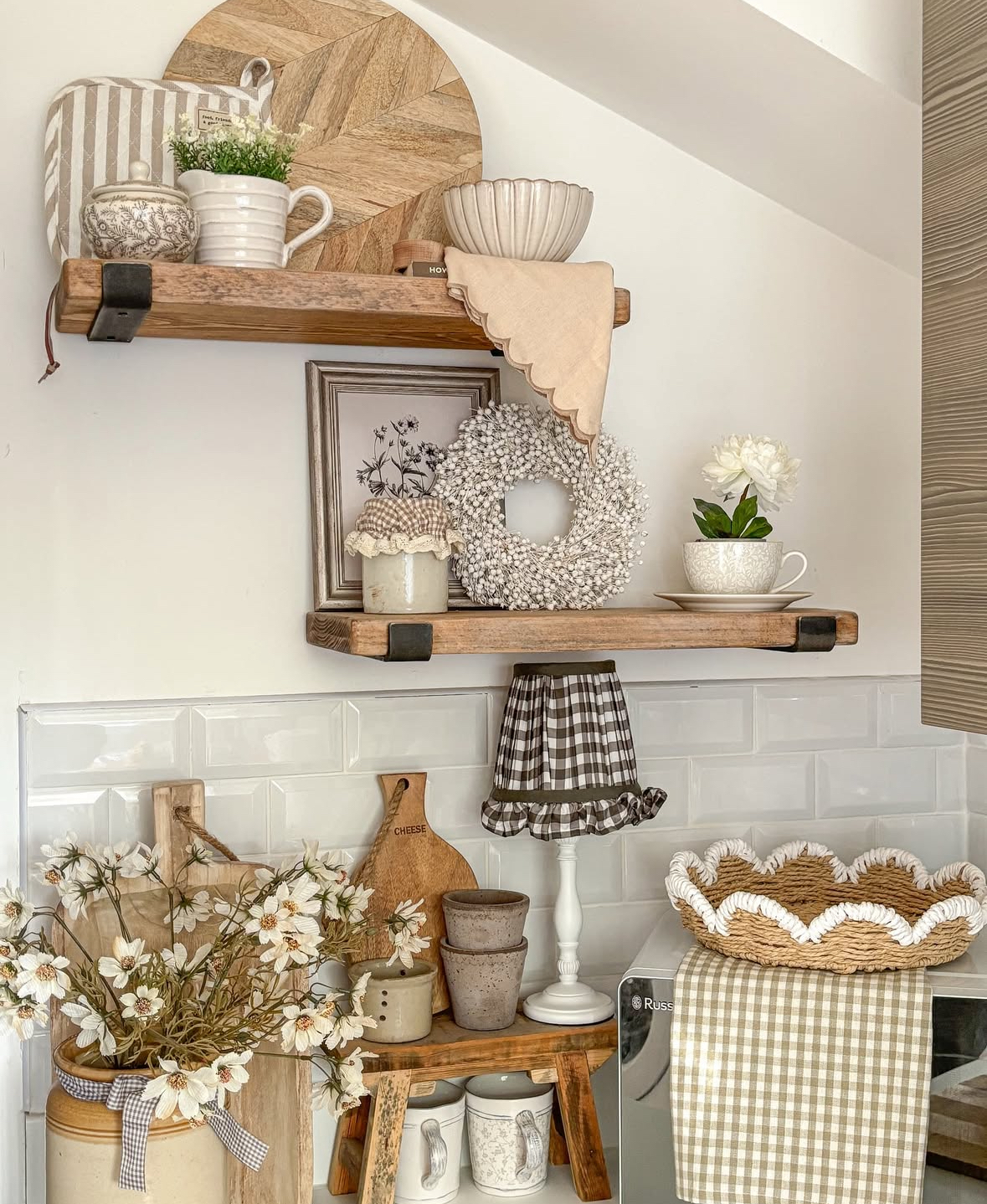
Place pottery on open shelves to bring a homey feel to the kitchen, keeping the pieces visible rather than tucked away. Mix different shapes, colors, and finishes for a cozy, interesting display. Set pottery mugs alongside the dishware, with a quirky bowl between stacks of plain plates.
Display favorite pottery at eye level, especially pieces collected over time, so the ones you like most are easy to see. Mix old and new pottery with bright and neutral pieces, leaving enough space between items to keep the arrangement from feeling cramped.
Shelf Materials

Wood shelves bring warmth and work with most kitchen styles, making them a popular choice. Metal and glass shelves suit modern kitchens, while reclaimed wood brings a rustic look and offers an eco-friendly material choice.
Sealed wood and painted wood handle moisture better in high-humidity kitchens, making either a practical shelf material for that setting. Metal shelves are durable enough for busy kitchens and are easy to wipe down when they need cleaning.
Shelf Styling with Quick Refreshes

Make a quick change by rearranging the shelves or replacing one decorative item when you want to refresh the display without spending much time. Regroup the glassware, restack the plates, and reorder the shelf items so the arrangement and shelf atmosphere feel different; you can also add a plant or picture.
For a more selective refresh, remove all the shelf items, then return only the items you value.
- Replace cups or bowls with pieces in an accent color.
- Add a framed photo or a handwritten note to the shelf.
- Place one decorative item, such as a candle or mini vase, on the shelf. A single item can change the shelf atmosphere.
Kitchen Decor with Seasonal Rotation

Swap the kitchen decor each season to maintain a sense of freshness. In spring, use jars, pastel plates, and a vase of fresh flowers, and add Easter decorations. For fall, use warm-colored mugs alongside small pumpkins and wooden accents.
Rotate the existing dishes and decor instead of buying new pieces. Store the extras in a box, then bring them out when the season changes to reduce shelf clutter and give the display a fresh change every few months.