

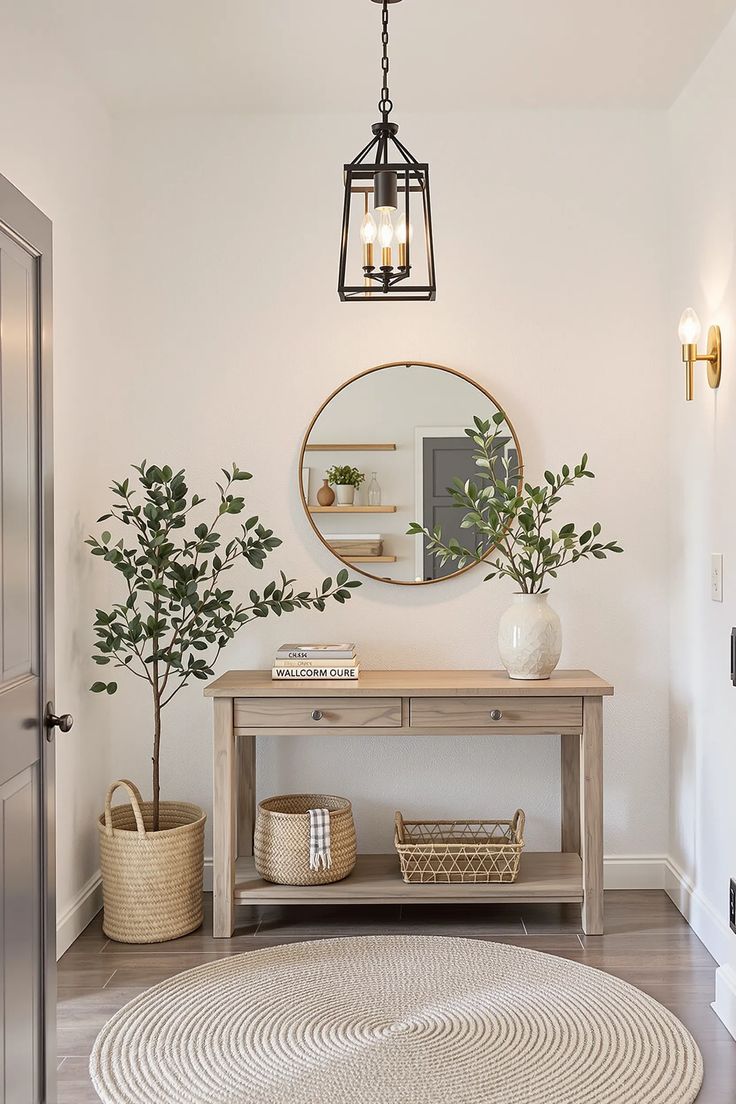
Your entryway welcomes guests and handles the rush of daily life, so it deserves to look good and work hard. These easy ideas will help you create an entrance that feels stylish, organized, and ready for everyday living.
Opening the front door can shape the feeling of the entire day. Whether you are heading out with coffee in hand or greeting friends for their first visit, your entryway plays a major role in setting the tone. When your entrance feels inviting and functional, both you and your guests enjoy the home more.
A large space and expensive pieces are not required to make an entrance feel special. A simple bench or a striking piece of art can completely shift the atmosphere, while replacing an old doormat with a bright rug can make the space feel fresher and more personal.
Calm Entryway Colors
An entryway’s colors can influence its atmosphere and help the space feel more relaxing. Soft blue and light beige create a calm mood, making them a natural choice for an entryway; a color combination with relaxed energy can also make a dog nap spot more inviting.
Earthy tones bring together gentle greens, tans, and warm woods. Warm woods add a natural material to the entryway, while gentle greens and tans create a palette that feels both calm and lively. Bring earthy colors in through a patterned basket, and use the same colors on the walls and rugs to make the entryway cozier.
Small Entryway Shelf
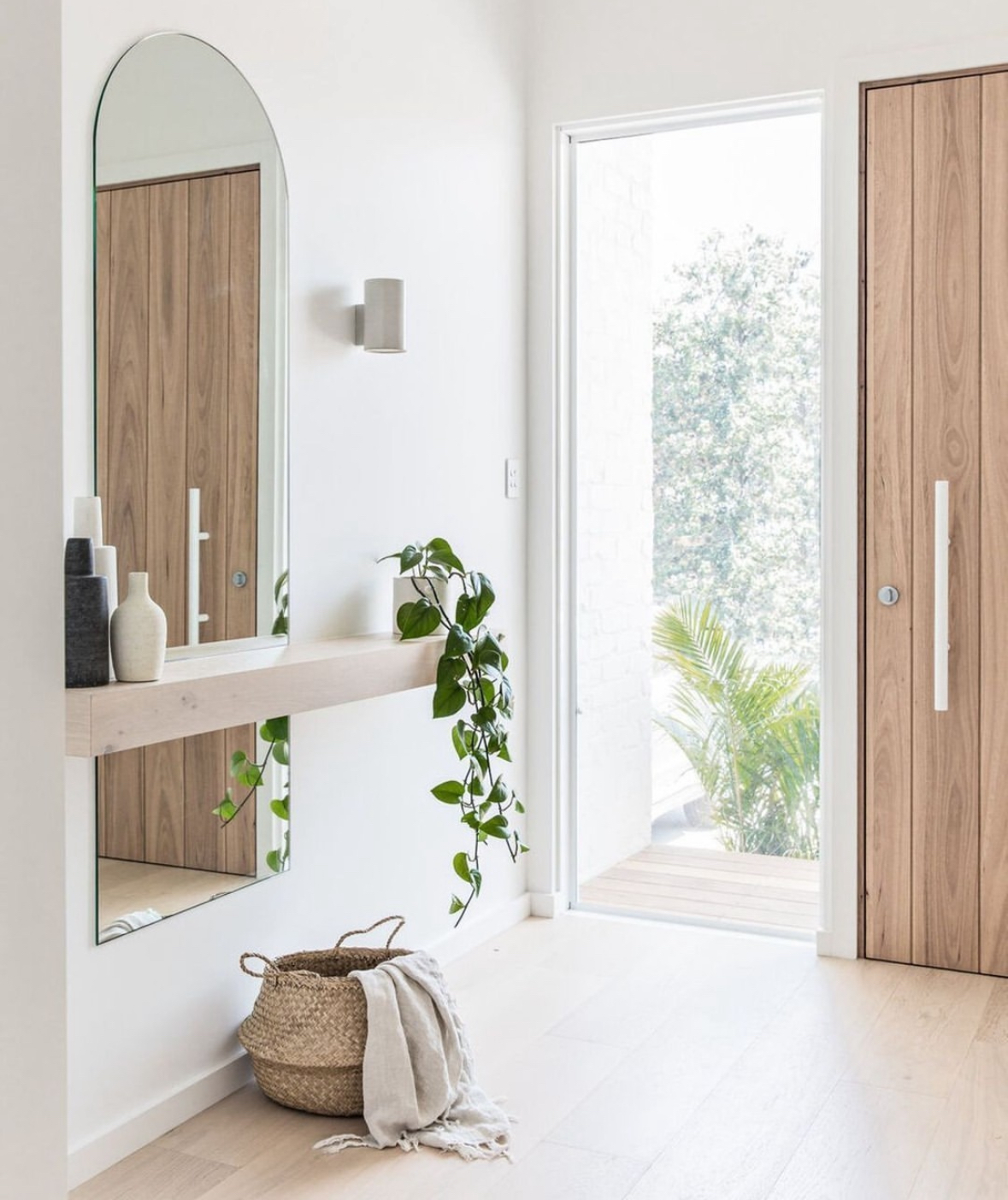
A small shelf by the door provides compact storage for items that tend to collect in an entryway. A sturdy shelf can hold keys, sunglasses, and lip balm, keeping these small items together, while a floating shelf helps keep entryway clutter under control.
Place a basket for mail under a wall-mounted shelf to keep the mail connected to the shelf storage without taking up space on the shelf itself. This storage keeps small items off the kitchen counter and can make rushed mornings easier to manage.
Entryway Console Table
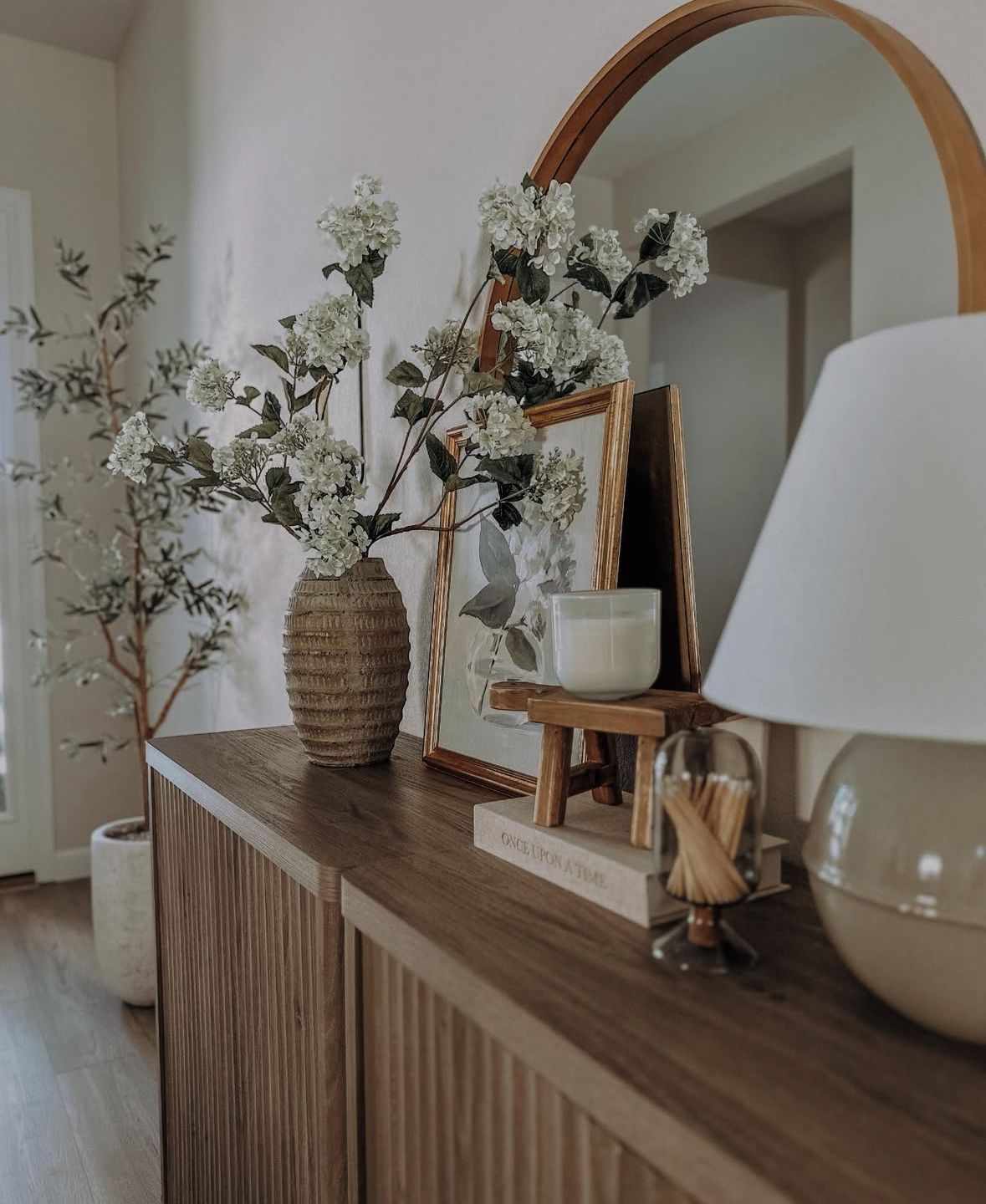
Give keys a designated place on the entryway table so they are easy to put away when you come in. A slim console table provides space for everyday items such as a wallet while taking up little room in a narrow entryway. Use a bowl for loose change and keep mail in a designated spot nearby to organize small items.
A small dresser with drawers fits in the entryway and provides compact storage for gloves and dog leashes. Keeping these everyday items contained helps reduce clutter instead of letting them gather around the entryway.
Entryway Storage Bench
Shoes and bags are common sources of entryway clutter, so giving both a designated place can make the area easier to organize.
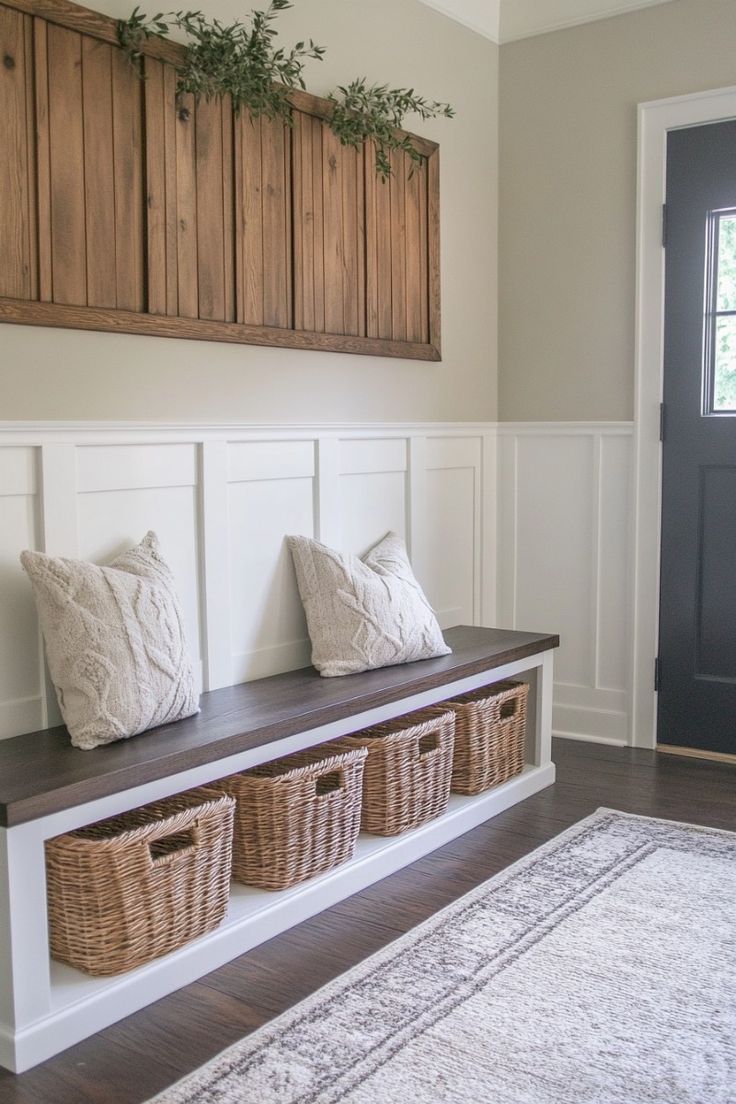
In the entryway, a storage bench provides seating while concealing clutter underneath. The hidden space keeps everyday items out of sight when they are not being used.
A storage bench may have a lift-up lid, drawers, or baskets for holding doorway items, scarves, and hats. When space is limited, choose a slim design so the bench does not take over the entryway.
A padded bench provides greater comfort when you sit down in the entryway. The padding makes it easier to use while putting on or taking off shoes.
Mix the textures of the bench baskets, then switch them seasonally. These seasonal basket changes can refresh the appearance of the entryway.
Entryway Baskets

Wicker and woven baskets provide flexible storage for items that need to stay close to the door, including shoes, dog leashes, and bags. Repurpose storage baskets you already own instead of buying new containers for the entryway. A blanket basket can work there too, giving flip-flops a designated place.
Relaxed Entryway Gallery Wall

A gallery wall can transform a blank entryway wall without making the space feel formal or stuffy. Artwork, prints, and band posters can share the wall to create a personal, relaxed look.
Start with a few frames in different sizes, spacing them apart rather than lining everything up perfectly. Do not obsess over the arrangement; adjust it as desired.
Mixing frame sizes creates a more relaxed look, while photos and postcards add personal touches alongside the other artwork. A hook or shelf can add a practical, useful feature to the gallery wall area, and the arrangement can change over time because there are no fixed rules.
Bold Entryway Color
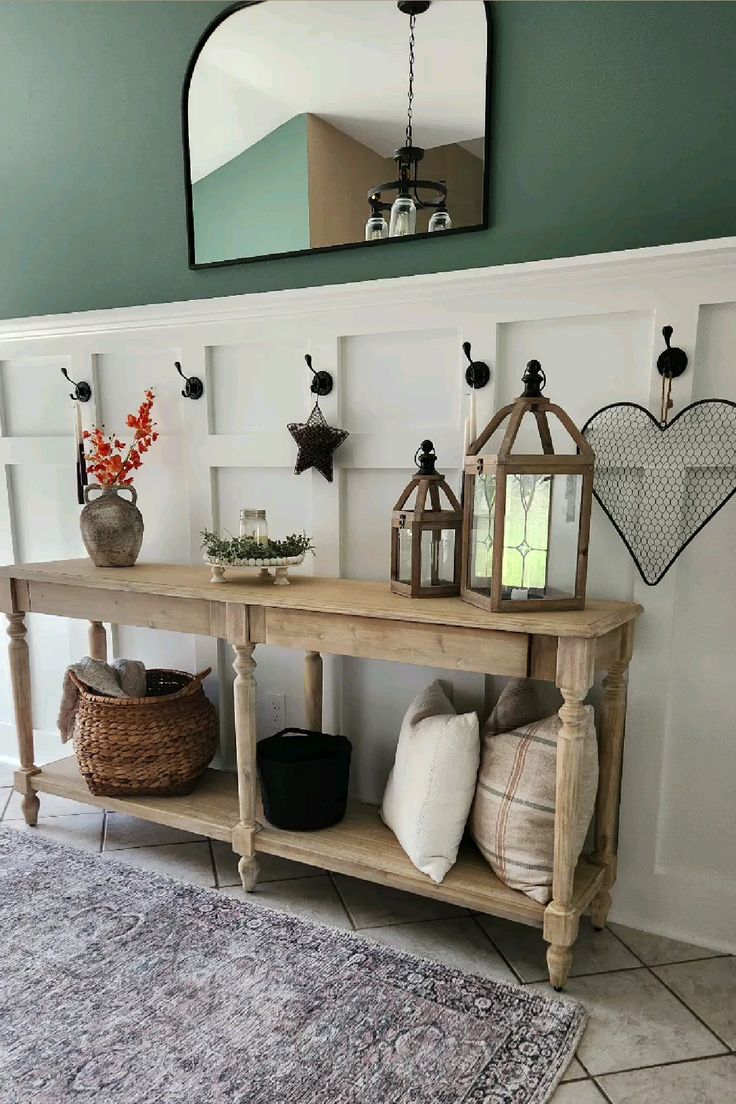
Use bold color in the entryway to introduce more personality or take a stronger design approach. Wallpaper can create a punchy look, while bold paint offers another option; either can add personality in a rental-compatible way.
Place the accent wall behind the coat hooks or shoe bench so these useful pieces sit against it. Grasscloth wallpaper adds texture and a boutique-hotel feel.
For a distinct color accent, paint the back of the front door. Bold colors can also make everyday items, including shoes, backpacks, and mail, look more intentional.
Entryway Grab-and-Go Station
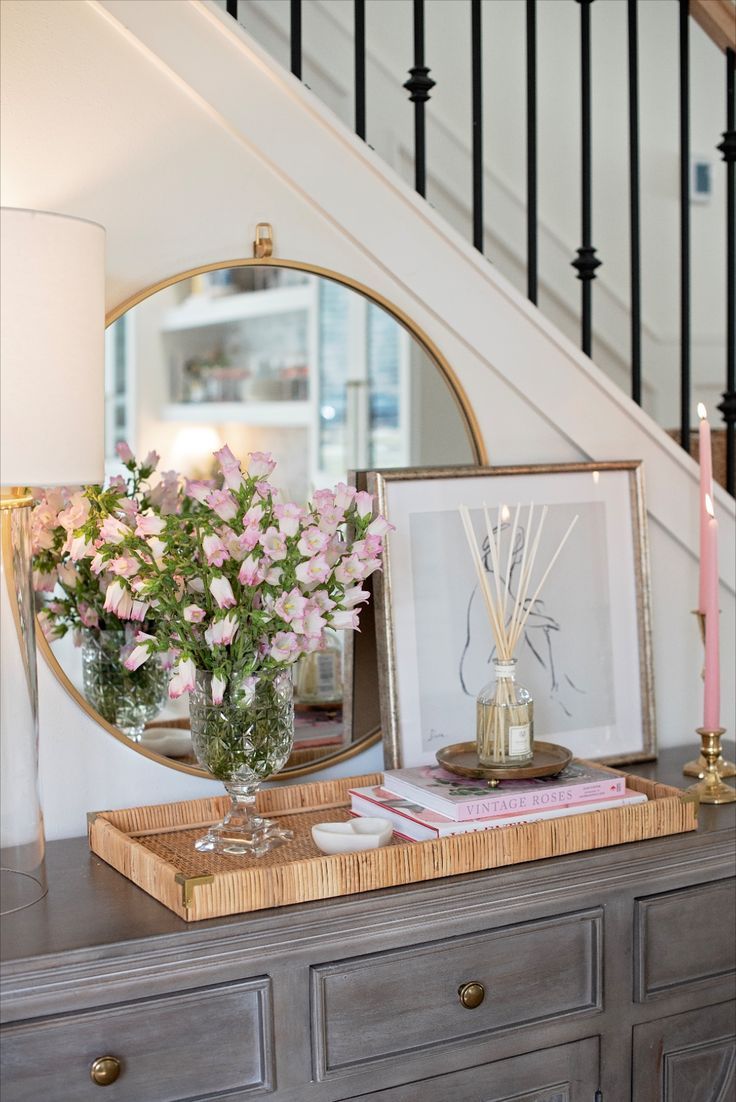
Mornings become more stressful when keys are misplaced, so create a grab-and-go station by the door where everyday items have a set place. This can reduce daily chaos.
A small bench can make room for baskets underneath to store frequently worn shoes. On the bench, use a shallow tray for sunglasses, mail, and wallets, or use a divided basket instead.
Mount wall hooks at varied heights to accommodate households with roommates or children. Custom cubbies can improve tidiness; add name tags or colors to distinguish them.
Wall-mounted baskets offer a small-space storage option for the entryway. Above the storage, a small mirror supports last-minute appearance checks.
Small Entryway Photo Wall
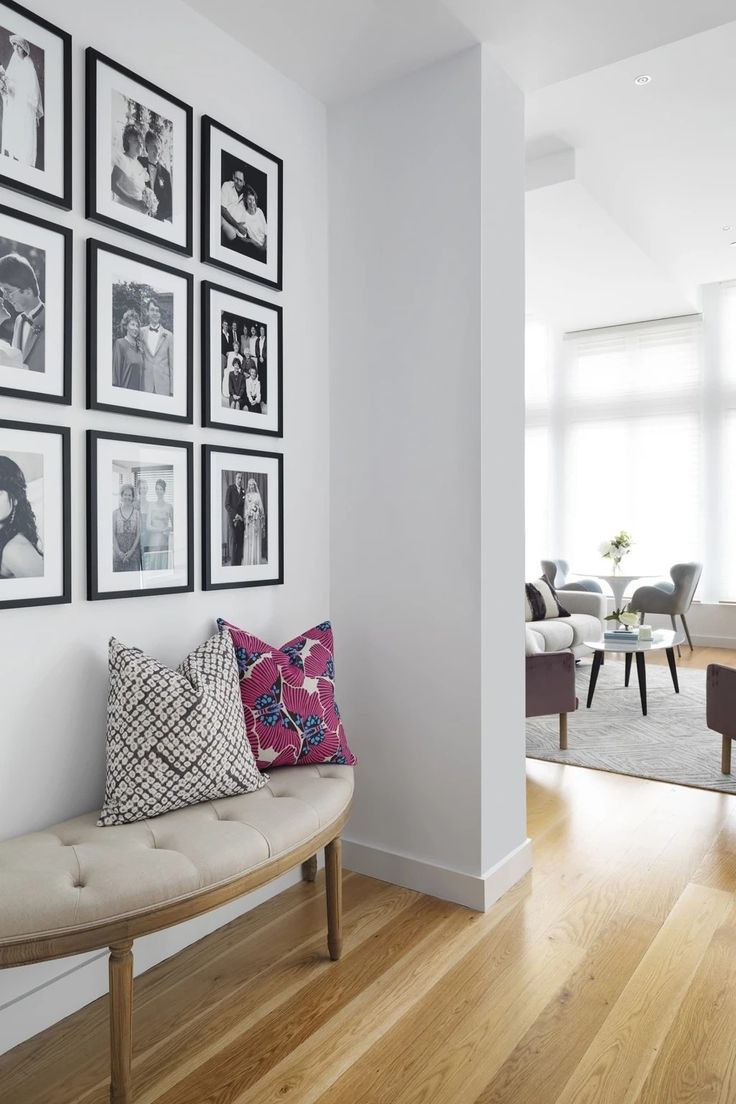
Use a small section of wall in a tiny entryway or nook to display framed photos without taking up floor space. Black photo frames provide a clean appearance and support a minimalist design, while framed photos add character without taking up much space. Mix frame types, including bold-color frames, thrifted wood, and gold.
- Choose 5 to 8 small frames, using varied shapes to keep the arrangement from looking too uniform.
- Use personal photos from vacations, pets, and friends so the wall has personal meaning.
- Painter’s tape can help with layout planning before the frames go on the wall.
- Place a small shelf under the photo wall to store keys and sunglasses.
Statement Entryway Lighting

Entryway lighting supports visibility while also affecting the mood of the space. Golden lighting fixtures show how lighting can bring warmth and color to the entryway.
Replace a dull bulb with a warmer bulb to make the entryway feel cozier. If space allows, a statement chandelier can change the appearance of the entryway.
Ceiling fixtures with neutral light can illuminate the entire entryway, but the fixture combination should suit the space’s size and layout.
- Begin with the lighting by suspending a bold pendant or chandelier in the entryway.
- Place a table lamp on a small console to provide a welcoming glow.
- When space is tight, use wall sconces instead of taking up room with floor or table lighting.
Sturdy Wall Hooks
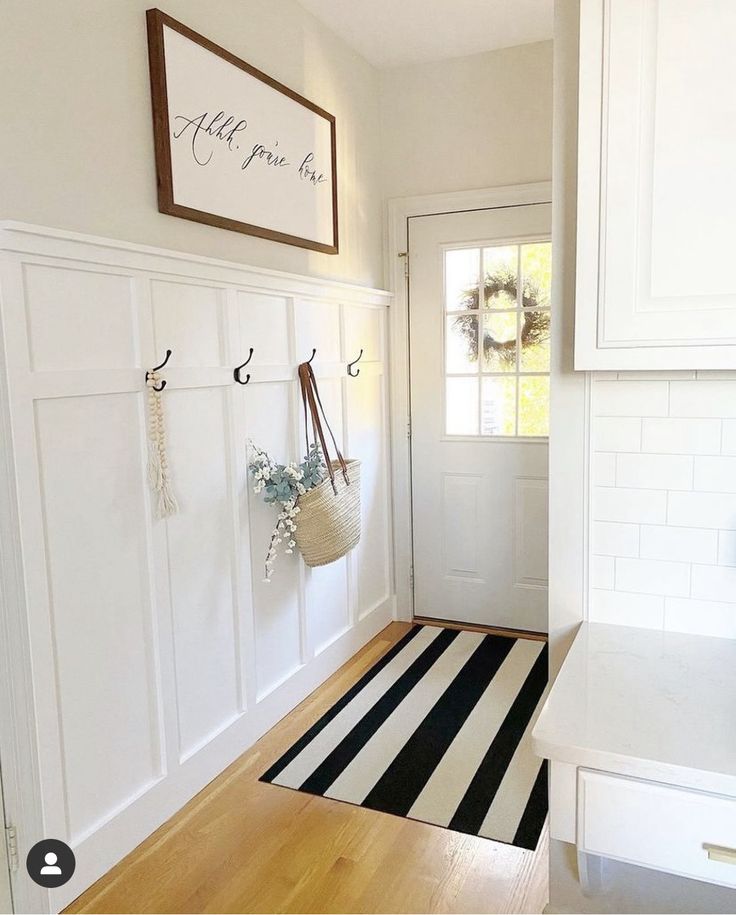
Sturdy wall hooks keep jackets and bags secure, making it easier to leave quickly. They are especially useful when your hands are full of groceries or coffee.
Choose hooks mounted with screws and anchors rather than sticky pads for a more secure installation. Without a secure place to hang clothing, a jacket can end up on the entryway floor.
Place wall sconces above the hooks for greater coziness and to keep the light close to the area where jackets and bags are hung. Their warm glow helps you spot entryway items more quickly in the morning.
Entryway Shoe Storage
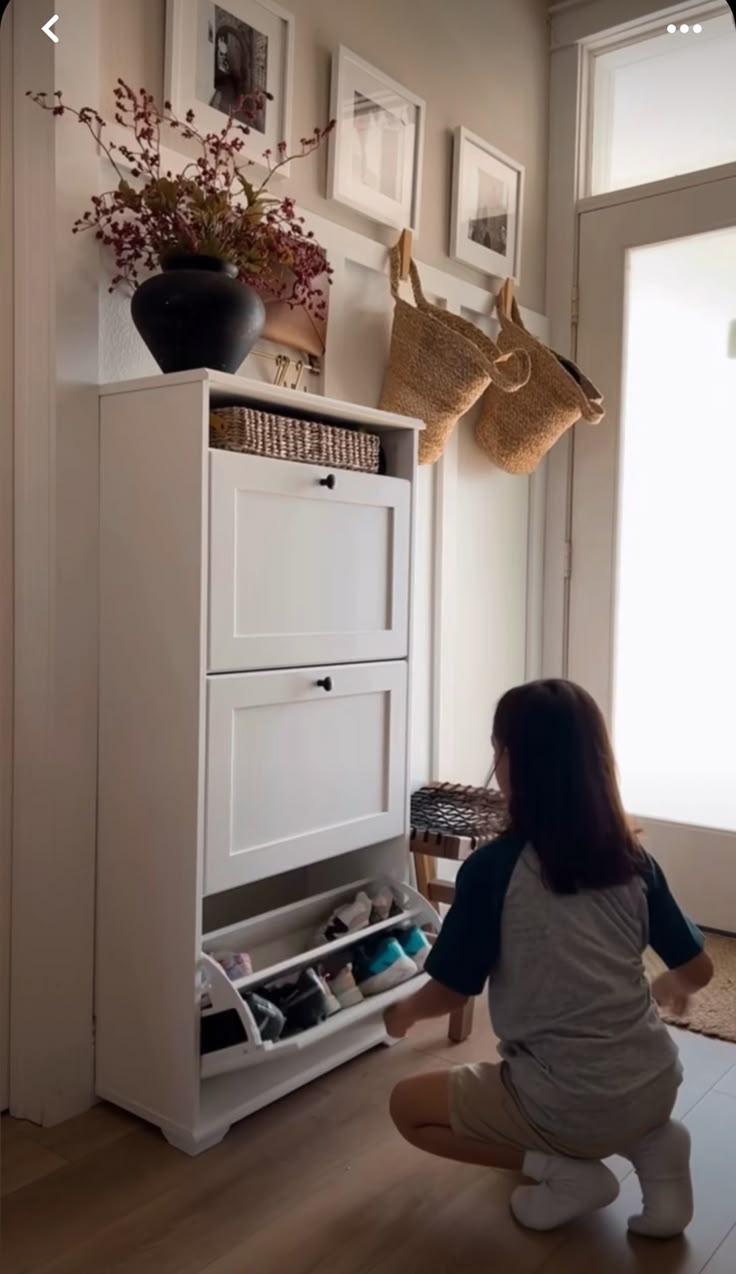
Shoe clutter collects in the entryway. Without a designated place for shoes, the area can quickly become crowded.
A dedicated shoe-storage solution keeps the walking area clearer than leaving shoes spread across the entryway.
In the entryway, a hanging shoe shelf provides storage and can reduce tripping caused by shoe clutter. It keeps shoes off the floor and out of the main path.
A tan shoe shelf in the closet holds about 30 pairs. Its capacity suits tight spaces where a larger storage piece may not fit.
Under a bench, a basket and a cubby can both be used for shoe storage. Either option fits small entryways while using the space that might otherwise go unused.
Shoe storage supports tidiness in the entryway. It also reduces shoe searching when you are rushed.
Cozy Entryway Candles
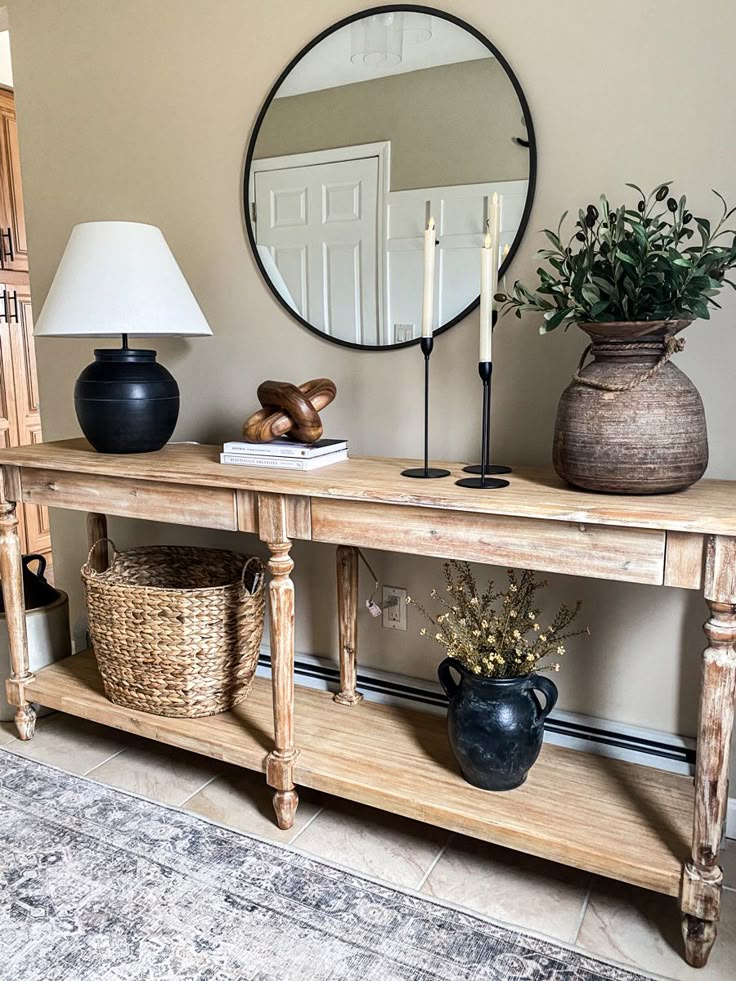
Near the door, candlelight can make the entryway feel warmer, more inviting, and homey while creating a relaxed evening atmosphere. Use trays for a layered arrangement, and vary the heights so the candles do not all sit at the same level.
Scented candles can create a clean, spa-like atmosphere. Choose scents such as cotton or eucalyptus, then change them seasonally: pumpkin suits fall, while citrus suits spring. Flameless candles with timers are an alternative to open flames, avoiding wax spills and the need to blow them out.
Seasonal Entryway Changes

Seasonal entryway changes can be simple; small adjustments are enough to shift the entryway from one season to the next. Swap out the wreath seasonally, and add a pillow to change the detail on the bench.
Keep a basket near the door for seasonal decor so pieces are easy to store and retrieve. Spring florals and winter branches are two options that can be rotated through the year.
Use a small tray to give seasonal decor a contained place in the entryway. It can hold mini pumpkins in fall and seashells in summer.
Entryway Stool

An entryway stool makes use of an awkward, unused area near the front door while providing practical seating and a finished look. A sturdy bench or stool in the mudroom can reduce disorder and provide a place to sit. A bamboo shoe-rack bench combines seating with shoe storage for sneakers and provides a place for keys.
Green Entryway Plants

Greenery near the door can make the entryway feel calmer and more inviting. When an entryway has low sunlight, try low-light plants such as dieffenbachia and pothos. Both are easy-going plants that provide green color.
Pothos can trail wherever it is placed, so it works in many spots around the entryway. Low-light houseplants are easy to care for and hard to kill, and they can tolerate missing one or two waterings.
Entryway Catch-All Tray

Without a designated spot, keys can end up under shoes or beneath the mail, making them harder to find. A catch-all area beside the front door keeps everyday items together and easier to find.
Wood, marble, and ceramic are all options for an entryway tray. A budget-friendly tray can serve as a simple catch-all while making small items look intentional and reducing a messy appearance. When it matches your personal style, a tray can also reduce search time and stress.
Entryway Accent Mirror

A mirror can open up a small space. In an entryway, it gives the wall another useful feature without taking up floor space.
An accent mirror can make a noticeable difference in an entryway, although the effect depends on the space.
A mirror reflects light and can expand the perceived space in a tight entryway. The effect is based on how open the area appears.
A round mirror with gold trim can make the entryway brighter. A simple rectangular mirror offers another option for the same space.
A vintage mirror frame can add character and may prompt conversation. Its style gives the mirror more presence in the entryway.
Entryway Rug
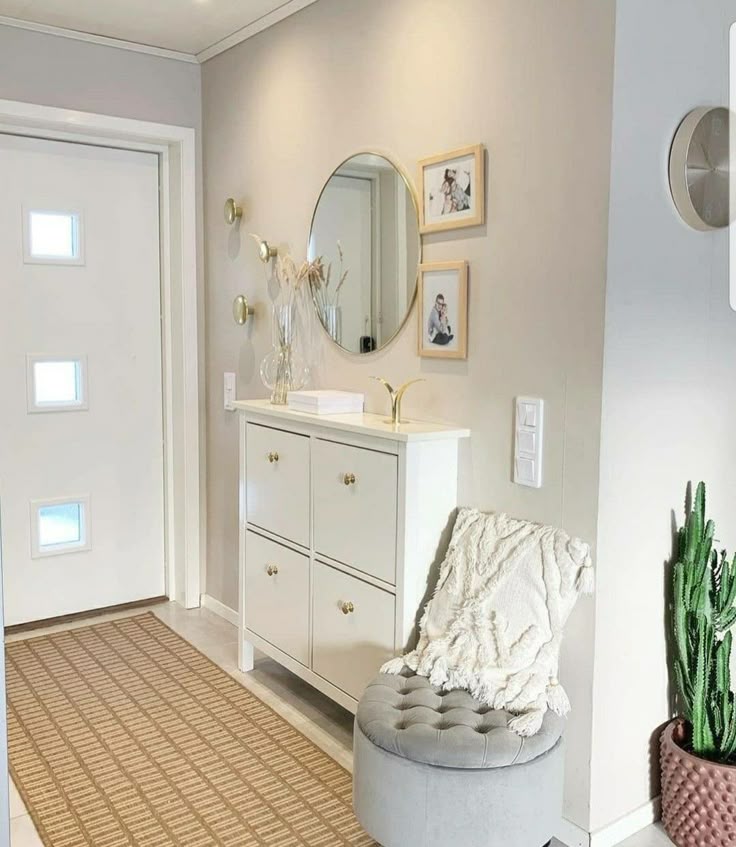
An entryway rug can change the feel of the space while adding comfort and color. It does not need to be elaborate; choose a design that suits your taste and makes the entrance feel welcoming. A patterned rug brings cozy texture and color into the entryway and, against wood paneling, helps the space feel layered and inviting.
An entryway rug also helps control dirt, and a modest runner can work even in a narrow space. A blue runner with soft stripes offers more texture and color than a plain mat and can be used as an alternative to one.
Entryway Lighting

Lighting sets the mood upon entry and helps establish how the space feels when you first walk in. Soft, warm light creates an inviting atmosphere, with a color temperature that keeps the lighting gentle rather than stark.
Pendant lights with woven shades, glass globes, or matte finishes can add warmth without crowding the entryway. When floor or table space is limited, a wall sconce keeps the light on the wall instead of using furniture, providing a cozy glow without requiring another piece. Placing a sconce near the coat rack keeps the lighting close to a frequently used part of the entryway and can make the space feel homey. Combine these lighting approaches to create an entryway that feels warm and functional.
- For evenings, choose dimmable entryway lights so the brightness can be adjusted.
- Warm bulbs are preferable to bright white bulbs when you want a softer look.
- Layer tabletop lamps with overhead fixtures to build the entryway lighting.