


Small living rooms have to make every inch pull its weight, from storage ottomans and wall-mounted shelves to seating that shifts between lounging, dining, and entertaining. The right layout, scaled furniture, layered textiles, calm color, and well-placed lighting can keep the room open while still giving it plenty of comfort and character.
Small Living Rooms
Space efficiency matters in a small living room, so use every square inch intentionally. A thoughtful layout improves flow, while inventive storage keeps the room organized and welcoming.
Keeping clutter under control also helps the room look larger and function better.
Small Living Room Storage Solutions
An ottoman with included storage helps maximize the space, and multi-purpose furniture such as a couch that converts to a bed allows each piece to serve more than one function.
Wall-mounted storage keeps the floor more open and directs attention upward; floating shelves and wall-mounted storage units make use of vertical space.
Drawers in a coffee table provide one storage option, while a storage ottoman offers hidden storage; together, these pieces keep living room essentials out of sight. A tall shelving unit also takes advantage of vertical space and otherwise underutilized height.
Storage Solutions for Small Living Rooms

A sleek table can support dining and entertaining without taking up more space than necessary. Near the seating area, a round table uses space efficiently and encourages a cozy gathering. If space allows, choose a small dining room set so the room does not feel overcrowded.
For everyday use, a small extendable dining table takes up less room and can accommodate guests when needed. Stackable chairs can be brought out when needed and stored away when unused.
Dining Area Design
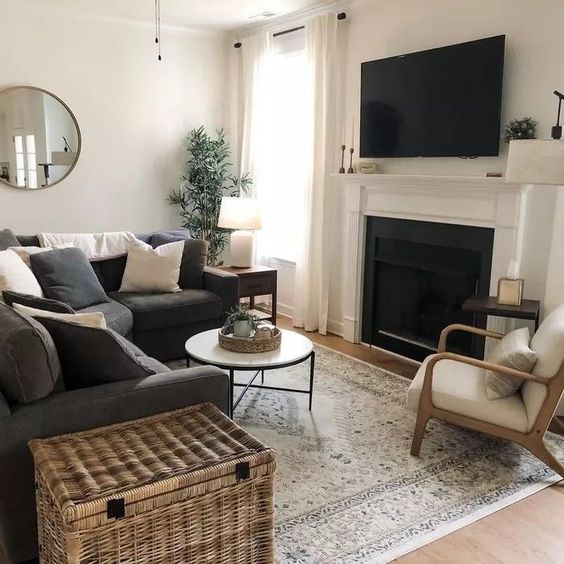
Curved, plush cushions and other soft textiles add tactile dimension to a living room, and layering those textures makes the room feel more welcoming and cozy. A knitted throw brings soft texture, velvet and faux fur pillow covers add texture to the pillows, and a woven rug adds comfort underfoot while introducing a distinct surface.
Textile Selection

Textiles add warmth and comfort to the room, so choose them carefully to complement the space without overwhelming it. Anchor the room with a statement or area rug that does not overpower the space. For an eclectic style, mix cushions with varied patterns and textures, and add colorful poufs for additional seating.
Choose a rug that is neither too small nor too large. An undersized rug looks out of place, while an oversized rug can cover the floor excessively. Coordinate the rug with a tray placed on an ottoman or coffee table to create visual cohesion, while the tray offers a functional surface.
Textile Selection

Prioritize the layout before arranging the rest of the room, and choose furniture scaled appropriately for the space so it fits comfortably without becoming visually overwhelming. A focal point, such as a window or TV, gives the room a clear center, so arrange the furniture symmetrically around it to make the layout feel intentional and balanced. Use rugs to define activity zones and create distinct areas without adding physical barriers.
Furniture for Small Spaces
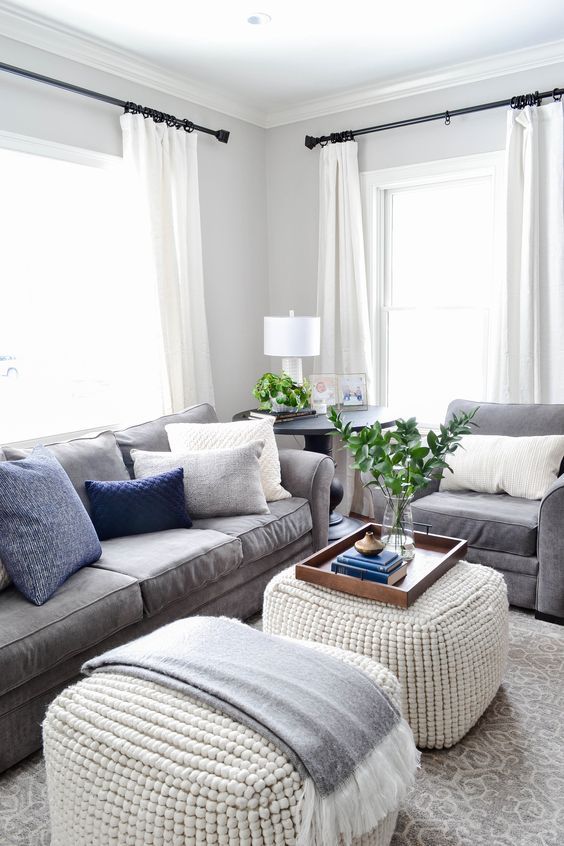
Multifunctional furniture improves space efficiency and helps the room make full use of its available area. A pouf can work as a footrest, seat, or side table, while acrylic furniture, sometimes called ghost furniture, has a minimal visual footprint that can make the living room appear larger. A trunk can serve as a focal point while holding blankets and board games inside, helping reduce clutter.
Sunlit Marble Living Room

Multiple large windows fill this low marble living room with natural light, creating a calm atmosphere. Texture adds interest without competing with the light or the single plant.
A reed diffuser adds another subtle detail to the room.
Small Living Room Decluttering Essentials

Regular decluttering helps a small living room maintain an open, organized appearance. Sort items regularly and keep only what is necessary. Assess personal belongings monthly and decide whether to keep or discard them; making these decisions often prevents belongings from building up. Built-in storage incorporated into furniture can keep clutter out of sight.
Material and Texture Mix

Textures and materials add character without overwhelming a small space. Combining smooth and tactile surfaces keeps the room visually engaging while supporting a relaxed atmosphere.
A chair adds another comfortable spot beside the sofa, and both pieces can be upholstered in velvet or wool for warmth and comfort. Smooth metal and glossy ceramic accents support a sleek style and give the room a clean finish. Pair a jute or linen rug with a matching throw; these natural fibers support an organic style and work well with neutral tones.
Furniture Optical Illusions

Room scale should guide furniture proportions. Matching the furniture to the room creates balance and keeps the space from feeling overwhelmed. Choose small to mid-sized furniture to avoid clutter and keep the pieces from taking over the room, and look for slim legs on the sofa, which expose more floor area and can make the room seem more spacious. A large floor mirror placed strategically can increase the room’s perceived length and may double perceived space.
Corner and Alcove Ideas

Use corners and alcoves for functional purposes while preserving central floor space, since these areas can accommodate storage, work, or relaxation zones. Floating shelves installed in corners add storage without the bulk of a bookcase, while a chair and floor lamp can turn an unused corner into a cozy reading nook. Built-ins can be especially helpful around fireplace alcoves, where they may include shelves and cabinets. Above a small desk, overhead shelves complete a mini office fitted into an alcove.
Calm Color Schemes

A calm color palette supports a serene ambiance. Walls can be soft off-white or pale green, while emerald green accents add depth against the walls. Green accessories complement the color theme.
Small Living Room Color Schemes

Consider a monochromatic scheme or a neutral palette for a small living space. Either approach keeps the color story consistent.
Use varied shades and tints from a single color to create depth and unity. Blue can be the primary color, with lighter blue on the walls and darker blue in the furniture and accent pieces.
Seating Areas
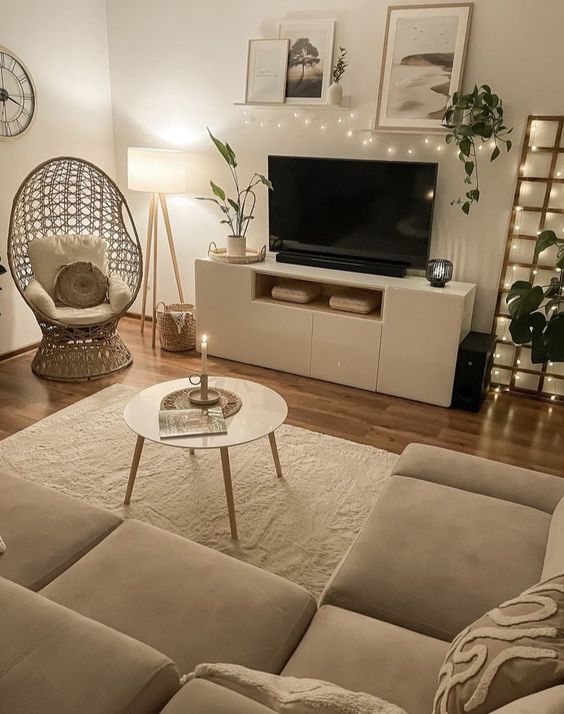
Seating around the lounging area should feel comfortable and inviting. An L-shaped sectional in the corner offers ample seating without overwhelming the space, making the most of the corner while providing plenty of room to sit.
An armchair adds variety and extra comfort. Angle it toward the sectional to create a more intimate setting.
An ottoman in the center keeps a seat or footrest within easy reach and often includes storage.
Artwork Display

Personal touches and artwork give the living room vitality. A gallery wall can showcase snapshots and fine art in frames of various sizes, creating a visual story. Vary the frame sizes while keeping a consistent color scheme, since matching colors give the display unity. Artwork can include both personal pieces and purchased pieces, and one or two plants can give the space a more natural feel.
Artwork Display Ideas

Flexible furnishings support different lifestyle needs while preserving space. In an apartment, an ottoman can provide seating, storage, and a footrest.
With a tray on top, an ottoman can also function as a coffee table. Furniture that is easy to move or tuck away supports room adaptability when the layout needs to change.
Focal Points

An unexpected lighting choice can create visual interest and give the room a clear point of attention. Above a seating area or other central spot, a chandelier or pendant light can serve as a centerpiece. A sleek pendant light can illuminate the space while also functioning as an art piece.
Even in a compact space, a chandelier can add drama and luxury.
Focal Point Decor
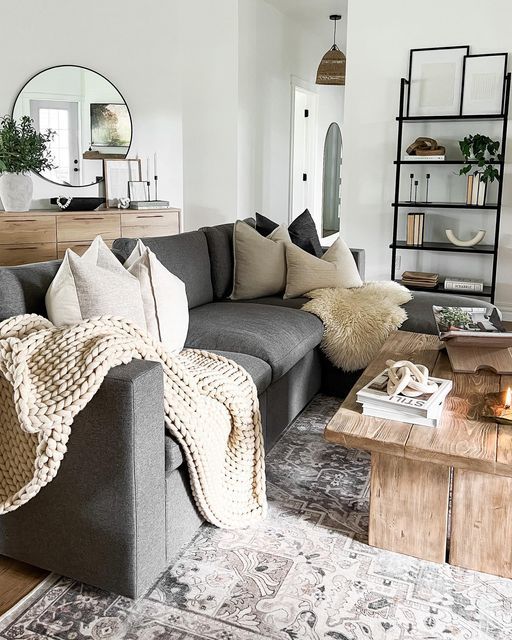
In small living rooms, shelves make use of available wall area while keeping the floor clear, and floating shelves and wall-mounted shelving create an airy feel. Above the sofa, floating shelves can hold books and plants, while a mixed wall-mounted unit may integrate a drop-down desk.
Relaxation Zones in the Living Room

Strategic placement and thoughtful furniture choices can divide the living room into separate zones for quiet reading and entertainment. The entertainment zone includes a television and gaming console, so position the sofa directly opposite them and the seating will support an uninterrupted view. A comfortable chair anchors the relaxation zone; place it away from the entertainment zone for peace and comfort, then add a side table and soft lighting.
Living Room Decor Arrangement
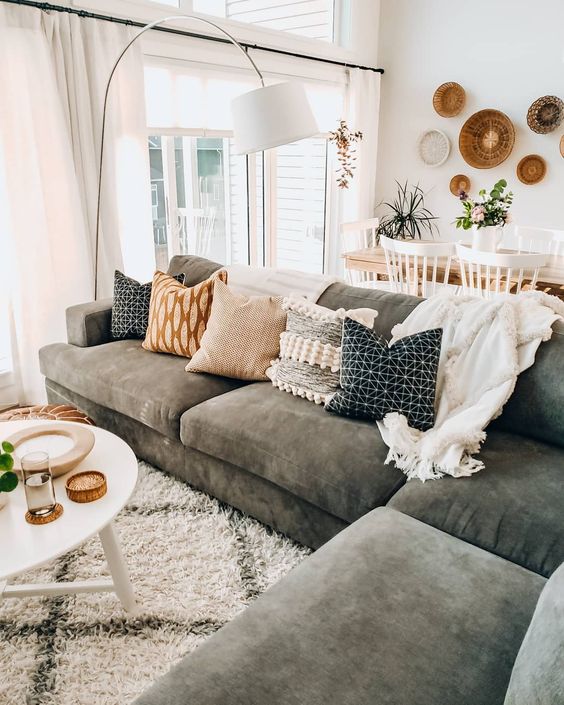
Consider the placement of wall decor before hanging it, since its position affects where attention falls on the wall. Varying frame sizes draw the eye upward on a gallery wall. The wall can hold artworks and photos while using wall space instead of floor space.
Bold accessories create focal points, so use them sparingly. A striking vase or unique lamp can give people a conversation starter.
Strategic Furniture Placement

An ottoman can serve as both a coffee table and extra seating, making it useful for social gatherings. Choose furniture that can serve multiple purposes.
When an armchair is used instead of larger seating, choose one with built-in storage to add function without taking up more room.
Furniture for Rooms with High Ceilings

High ceilings can be one of a small living room’s defining features. Emphasize that height with vertical lines and upward-directed decor.
Install curtain rods high, with long, flowing drapes extending below the ceiling line; this higher placement makes the room feel taller. Tall, slim bookcases and other vertical-line decor also draw the eye upward. Place art pieces on higher sections of the walls to direct the gaze upward and make the walls appear loftier, and keep window treatments minimal so natural light remains unobstructed.
Defining Decor Elements
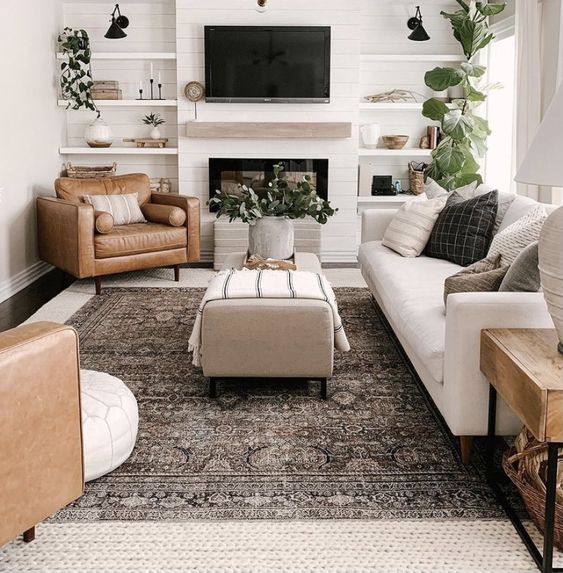
A few defining decor choices can set the tone of the living room and shape its overall character. A rug defines the seating area, adds texture, and grounds the space, so place it where it clearly gathers the seating together for a more intimate feel. Cushions bring color, texture, and comfort to the seating area, making the room feel more inviting.
Using Light to Enhance Space
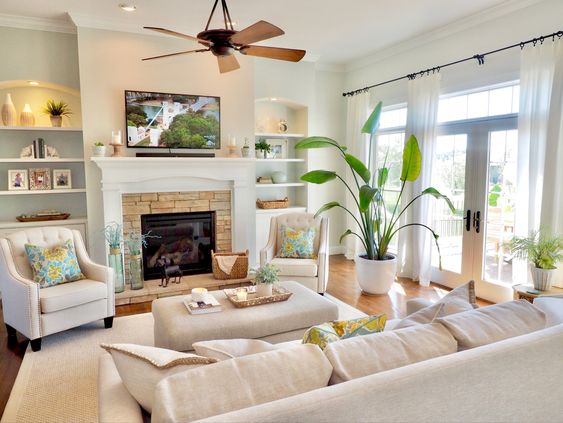
Natural light enhances the space and helps shape how the room feels. Light-colored surfaces and reflective materials can maximize the available daylight, while sheer curtains let additional light through. During renovations, consider larger windows or skylights to bring in more daylight from the side or above. Strategically placed mirrors can reflect light around the room and make an area appear larger and brighter. Opposite windows, a mirror can bounce natural light back into the room and help distribute it. A mirror placed behind a light source can increase light intensity and help spread the light across the room.
Thoughtful layouts, versatile furniture, layered textures, and efficient storage can help a small living room feel comfortable and complete.