

A children’s room can support exploration, activity, sleep, and growing independence through thoughtful choices in beds, lighting, storage, colors, and furnishings.
Children’s Room Ideas
A children’s room gives children space to explore as they grow and develop.
Toys can encourage curiosity and exploration, while the room may evolve from a nursery to a toddler’s room and later a teenager’s room. Furnish it from the child’s perspective at each stage.
Children’s Room Design and Function
Children’s Bed Design
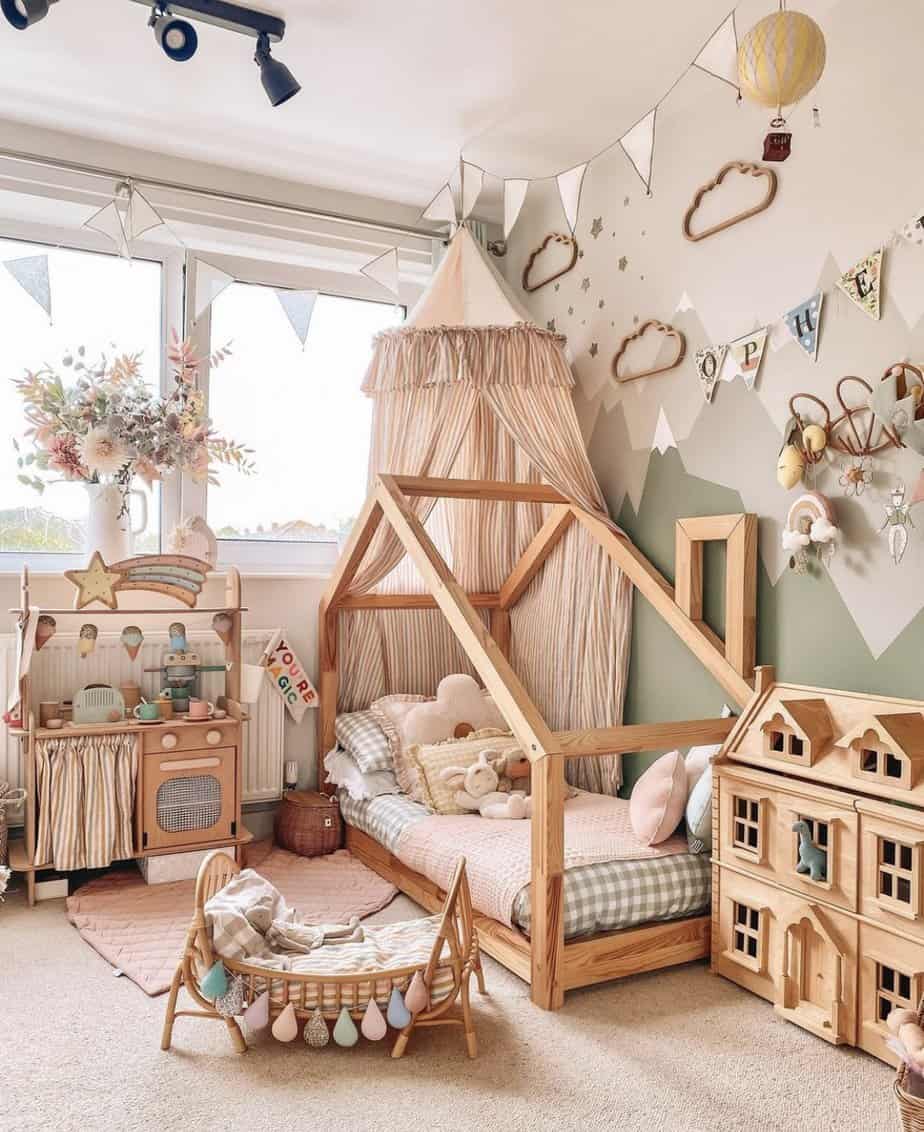
Choose a comfortable children’s bed with an imaginative design, such as a car, house, castle, or cloud. Because young children grow quickly, a right-sized bed may soon need to be replaced with one that is slightly larger, but if possible, avoid replacing it at intervals of only 2 to 3years. An interesting, practical bed can encourage a child’s imagination and curiosity while serving its everyday purpose.
Physical Activity Toys for a Children’s Room
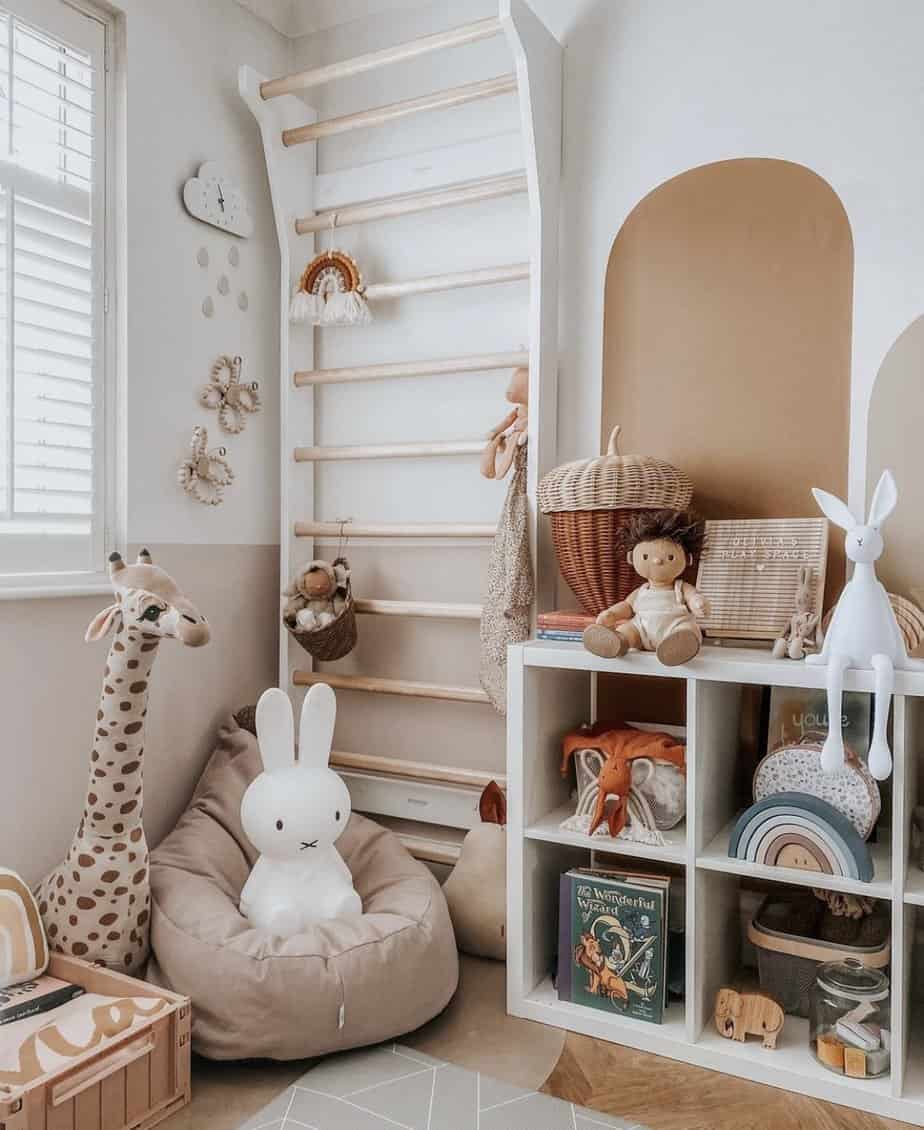
Toys that promote strength, coordination, and dexterity can support physical activity while fitting the room’s decor. Monitor the child’s activity as they use them.
Balls and an exercise mat can sit in the children’s room alongside other activity equipment. A climbing wall adds another option for movement, and you can play with the child while modeling physical activity through personal example.
Encourage movement by making physical activity part of the room’s everyday use and modeling an active lifestyle through play.
Multiple Children’s Room Lights
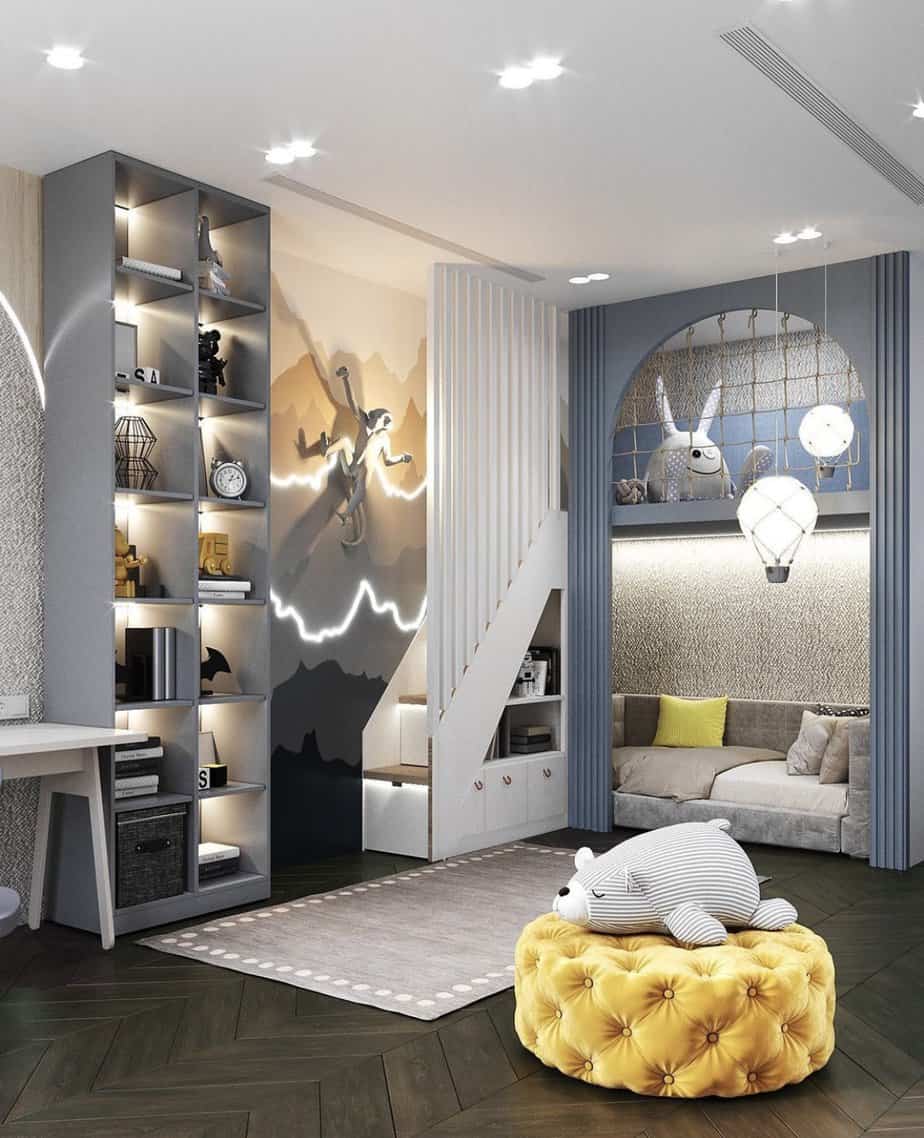
Good nursery lighting can help reduce eye strain and support both engagement and sleep. Different lighting levels can serve different parts of a child’s routine.
Use bright lighting for active periods and dim lighting for quieter times, with decorative lights adding visual interest to the children’s room.
Children’s Room Storage and Organization
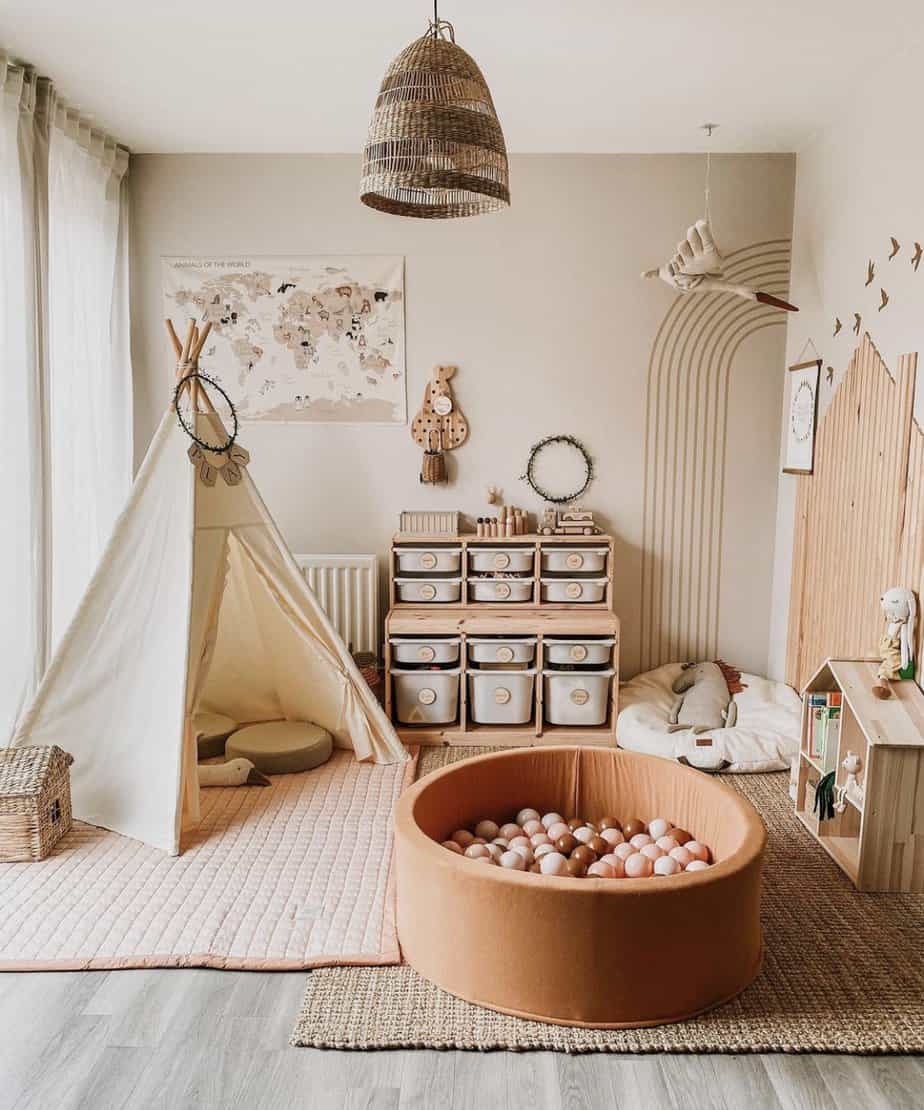
After play, children can learn to tidy the room by putting their belongings away. Multiple cabinets in the playroom can organize toys, while colorful storage containers in the children’s room provide additional places to store them. Practicing these habits can help children develop responsibility and orderliness.
Bed Decoration
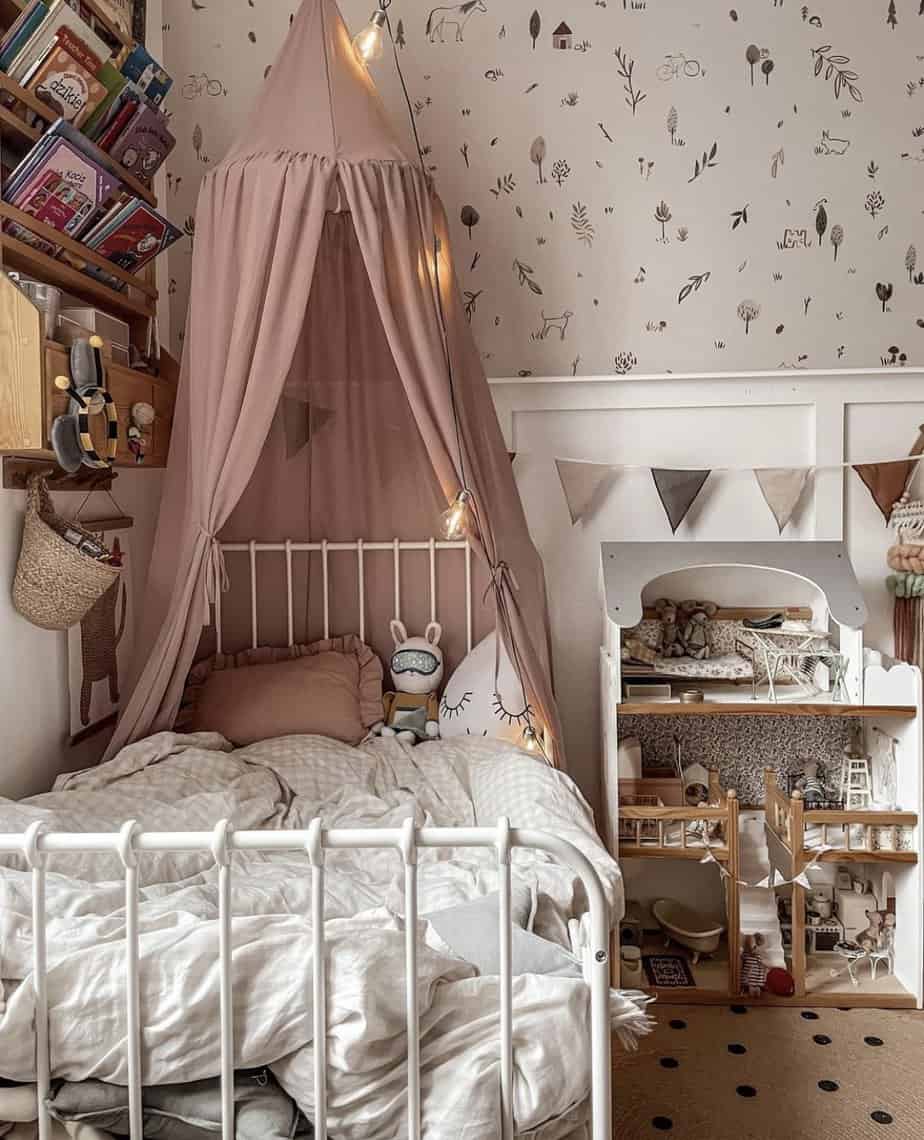
Veils, lights, and other decorative elements can transform an ordinary bed into a structure with a castle, tree, or flower theme. Displaying whimsical images and 3D cartoon pictures above the bed can make the play area more engaging for a child.
Room Colors
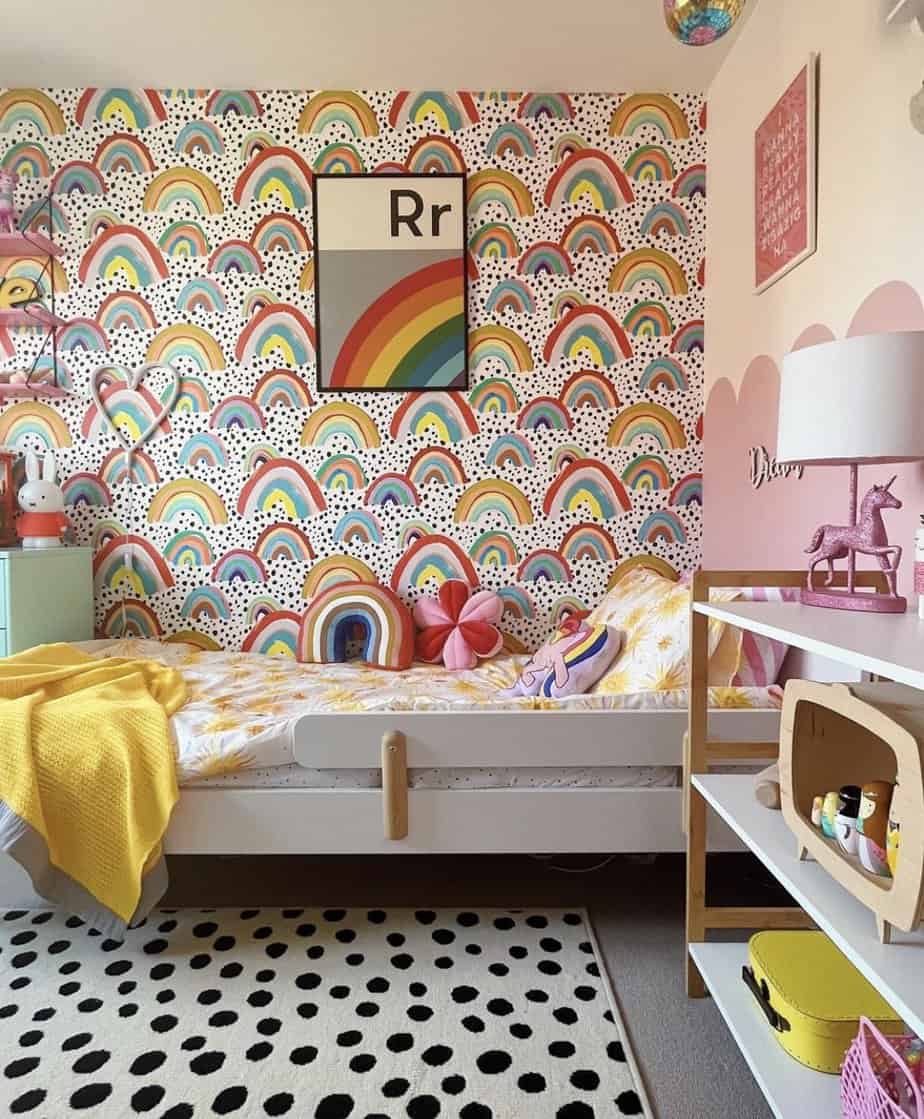
A child’s room can be colorful, unique, and fun, so ask an older child about their favorite colors and how they want the room to look. Involve the child in painting the room so they can take part in the process. Children can also help with household chores from a young age, which supports a work ethic. Use color freely, but choose a theme and keep it consistent for a more coordinated style.
Children’s Furniture
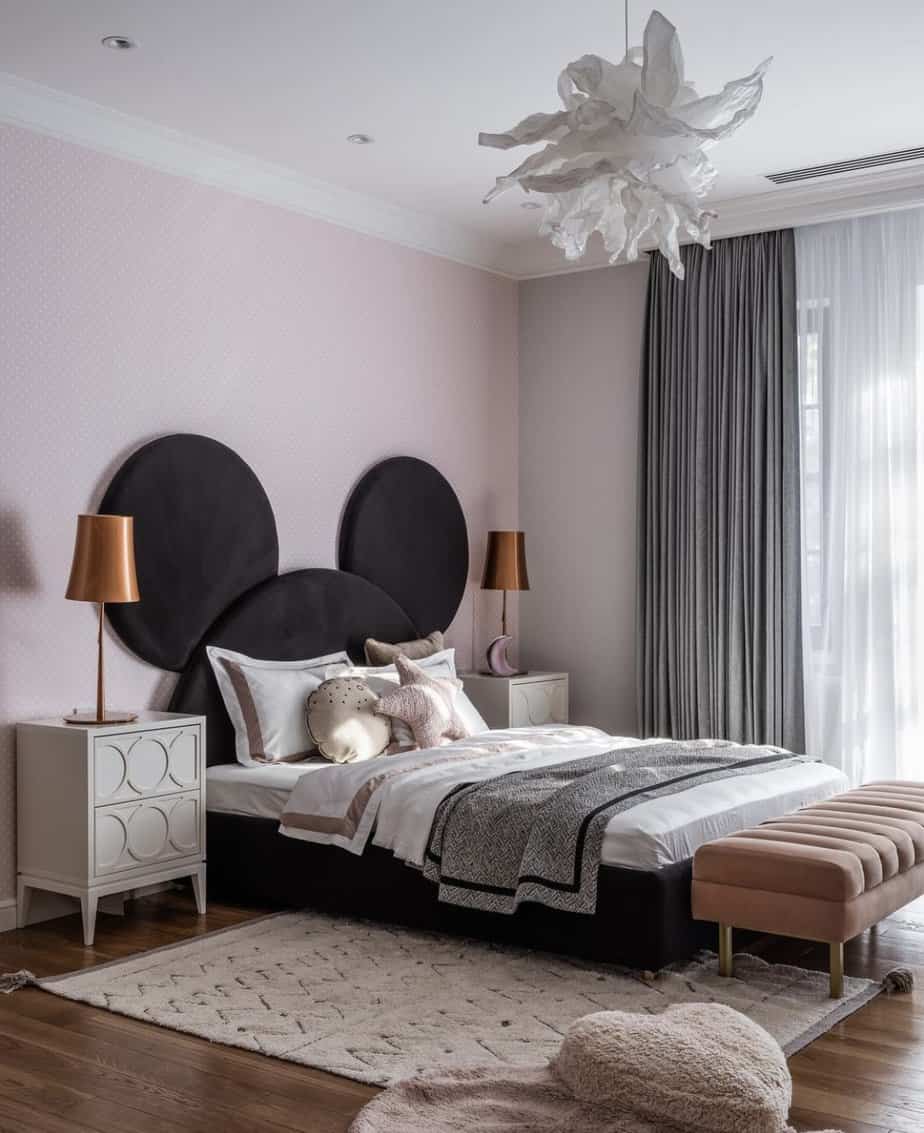
Children’s room furniture can include chairs in nonstandard shapes, such as balloons or bunnies. A furniture set featuring cartoon characters can add color to the room, while a table with an unusual design can complement its interior. A carpet can add a distinctive touch, and newer rug fabrics allow for customized designs.
Wardrobe
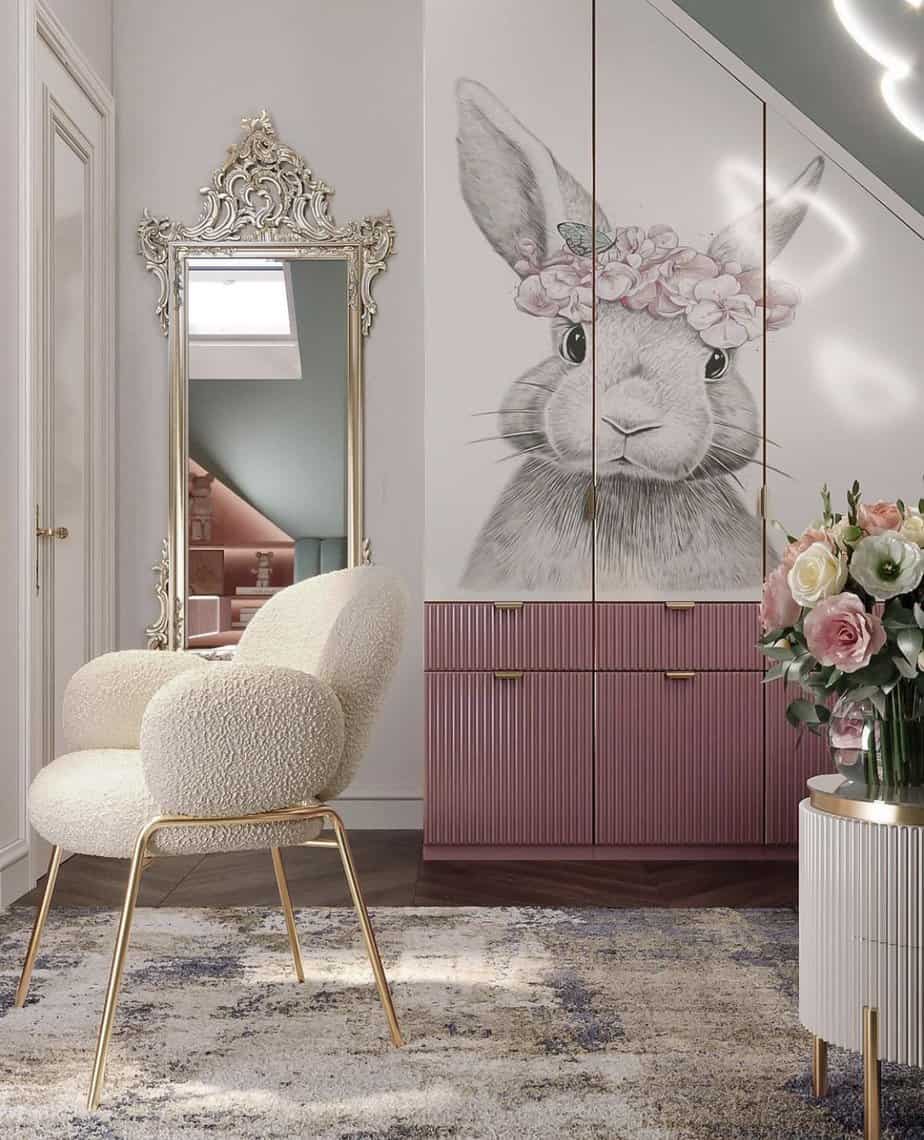
Choose a large wardrobe with a cheerful image, or cover it with stickers of the child’s favorite cartoon characters. It can store clothes, toys, and other items while also serving as an accent in the room.
Shared Room for Two Children
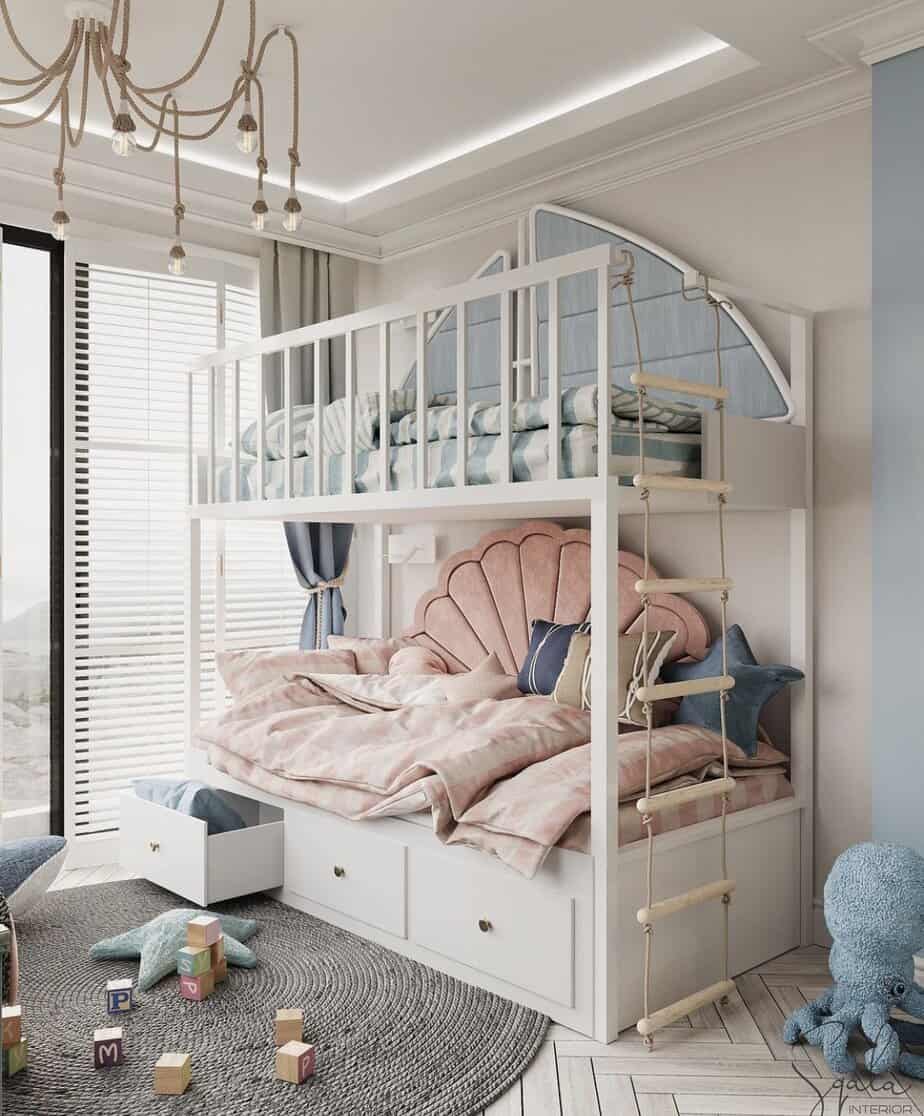
A shared room can accommodate two children when its space is used efficiently. A safe, comfortable bunk bed can free up more room for play.
Nursery Decoration
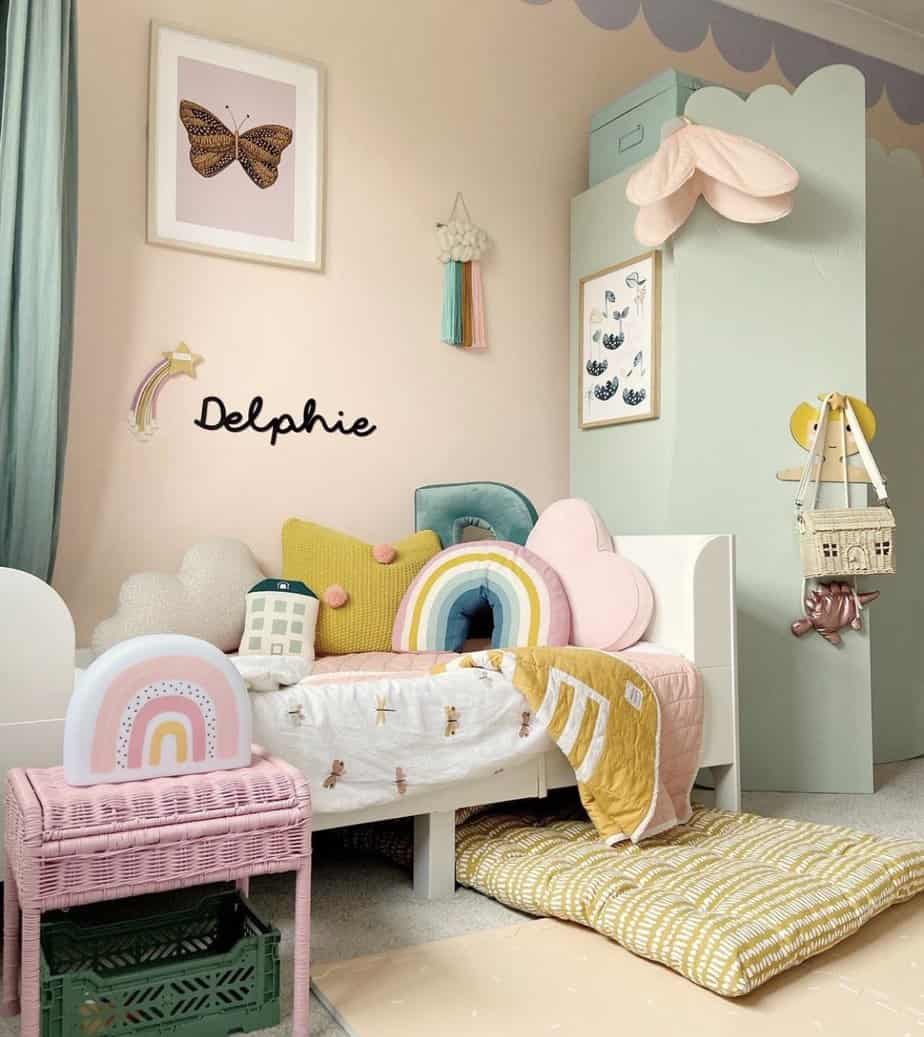
Nursery decoration can include varied shapes, colors, and fabrics that support child exploration and distinguish the room from others. Tables and boxes can be used alongside pictures, cushions, and other items. Colorful sheets and curtains can complement toys and an interesting main light fixture, helping the nursery feel cozy.